This article contains affiliate links. We may earn a commission if you make a purchase through our links, at no extra cost to you.
Vestibular Input Doesn't Require Expensive Equipment
Here's what most parents don't realize: the vestibular system responds to any movement. You don't need a sensory swing, therapy equipment, or a dedicated sensory room. You need a child who can move.
Not everyone has the space for a ceiling-mounted swing. Not every budget stretches to specialized therapy equipment. And sometimes you need vestibular input right now—at school, at grandma's house, in a hotel room, waiting at the doctor's office.
The good news? Your child's body is all the equipment they need.
The 15 activities in this article require nothing but floor space and maybe a few household items you already have. They work anywhere. They cost nothing. And they provide the same vestibular input that expensive equipment delivers.
For more on vestibular equipment when you're ready to invest, see our guide to sensory swings and vestibular toys. But for now, let's work with what you have.
How Vestibular Input Works: Calming vs. Alerting
Before we dive into activities, understanding one distinction will help you use them strategically.
Linear vs. Rotary Movement
Linear vestibular input—back and forth, side to side, up and down—tends to be calming. Think rocking chair motion, gentle swaying, bouncing on a bed. These movements organize the nervous system and help children wind down.
Rotary vestibular input—spinning, rotating—tends to be alerting. It revs up the nervous system and can be either organizing or overwhelming depending on the child and the intensity.
Both types of input have their place:
- Use calming activities before rest, focus tasks, or when dysregulated
- Use alerting activities to "wake up" the nervous system in the morning or when energy is low
- Some children need more of one type than the other
For children with ADHD specifically, vestibular activities can be particularly helpful—see our guide on how vestibular therapy helps ADHD.
Why No-Equipment Activities Work
The vestibular system—located in the inner ear—doesn't know whether input comes from an expensive therapy swing or a child rolling across the living room floor. It simply responds to movement and head position changes.
Body-based vestibular activities:
- Are always available (no equipment to set up or carry)
- Work in any setting (home, school, vacation, therapy waiting rooms)
- Can be scaled up or down based on the child's needs
- Often combine vestibular input with proprioceptive input (bonus!)
Safety First
A few important precautions before you start:
Watch for overstimulation. Signs include:
- Nausea or complaints of dizziness
- Pale or flushed face
- Withdrawal or shutdown
- Increased agitation or hyperactivity
- Complaining of headache
If you see these signs, stop the activity immediately. Sit with your child and offer grounding activities like deep pressure or heavy work.
Be cautious with spinning. Rotary input is intense. Limit spinning activities to short bursts, and always spin in both directions. Some children can handle very little spinning; others crave it. Follow your child's lead, but err on the side of less.
Follow vestibular activities with proprioceptive input. Activities like pushing, pulling, carrying, or squeezing help organize the nervous system after movement. This pairing is more effective than vestibular input alone.
Consult an occupational therapist if your child is severely overresponsive to movement, has a seizure history, or if you have concerns about specific activities.
Calming Vestibular Activities
These activities provide organizing input that tends to calm and regulate.
1. Gentle Rocking
The simplest vestibular activity requires nothing but the ability to shift weight.
How to do it:
- Sit on the floor or in a chair
- Rock slowly side to side, like a pendulum
- Try rocking forward and back
- Hug knees to chest and rock in this curled position
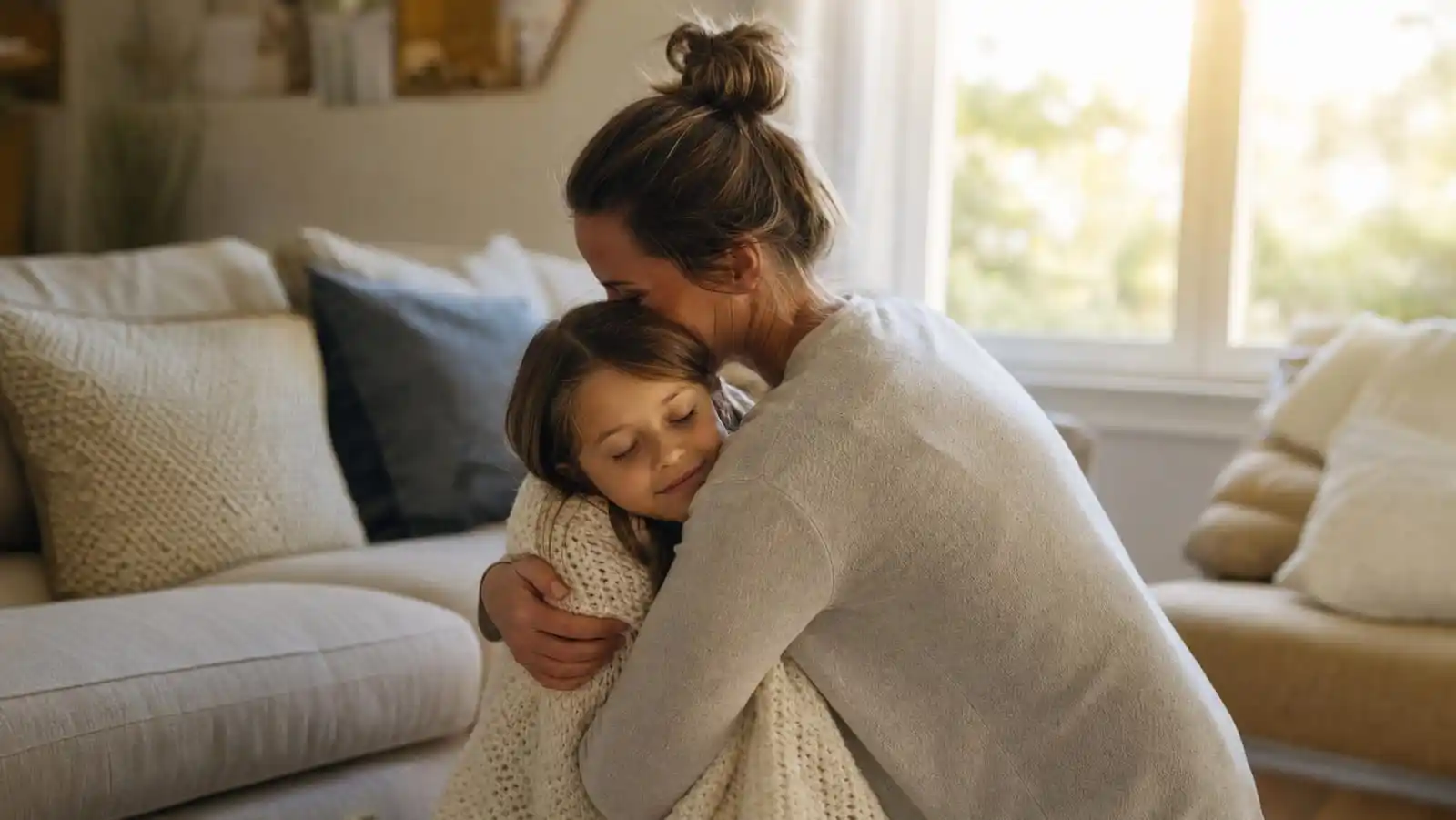
When to use: Before sleep, during moments of stress, after overwhelming experiences, as part of a calming routine.
Pro tip: Rock together with your child. The co-regulation adds a social element and helps you model the slow, rhythmic pace.
2. Blanket Swing
No swing? Make one.
How to do it:
- Spread a sturdy blanket on the floor
- Have your child lie in the center
- Two adults hold the blanket's ends/edges and lift gently
- Rock the child slowly forward and back, or side to side
When to use: For the full benefits of swinging for autism without any installation or equipment.
Pro tip: Start with very slow, small movements. Some children find this incredibly calming; others need time to trust the sensation. Let the child guide the intensity.
3. Slow Swaying to Music
Combine movement with rhythm for a multi-sensory experience.
How to do it:
- Put on slow, calm music
- Stand facing your child or side by side
- Sway together, shifting weight from foot to foot
- For younger children, hold hands and sway together
- Add gentle side-to-side head movements if tolerated
When to use: Wind-down time, transitions, whenever calm connection is needed.
Pro tip: Choose instrumental music without lyrics to reduce auditory processing demands.
4. Crawling Activities
Crawling combines vestibular input with proprioceptive input as the child bears weight through arms and legs.
How to do it:
- Bear walk: Hands and feet on floor, bottom up, walk forward
- Crab walk: Sit, lift hips, walk on hands and feet with belly up
- Army crawl: Flat on belly, pull forward using arms
- Tunnel crawl: Arrange pillows, blankets, or chairs to crawl through
When to use: Anytime, especially when the child needs organizing input.
Pro tip: Turn it into a game—race as animals, crawl through an imaginary cave, or deliver "packages" from one room to another while crawling.
5. Knee-Hug Rocking
This curled-up rocking position provides compression alongside vestibular input.
How to do it:
- Child lies on back
- Pulls knees to chest and hugs them
- Rocks gently forward and back
- Or, rocks side to side like a ball
When to use: Calming before bed, self-regulation during distress, as a reset after intense activities.
Pro tip: This is a portable activity your child can do independently once they learn it. Great for school or other settings.
Alerting and Organizing Activities
These activities provide more intense input that can help wake up or organize a sluggish nervous system.
6. Log Rolling
Simple but effective: rolling like a log across the floor.
How to do it:
- Child lies flat on back, arms at sides or overhead
- Keeping body straight and stiff, rolls to one side
- Continues rolling 5-6 times in one direction
- Pauses for a few seconds
- Rolls 5-6 times back in the opposite direction
When to use: Morning wake-up, before activities requiring body awareness, for a reset during the day.
Pro tip: Rolling on carpet feels different than rolling on grass outside. Vary the surface for different sensory experiences.
7. Somersaults
Forward rolls provide intense vestibular input from the head-over-heels motion.
How to do it:
- Use a soft surface (carpet, grass, mat)
- Child tucks chin to chest
- Places hands on ground, tips forward, rolls over
- Start slowly with lots of support if needed
- Add backward rolls only if child is comfortable and capable
When to use: When the child needs alerting input, as part of an obstacle course, for body awareness training.
Caution: Some children with vestibular sensitivity find somersaults overwhelming. Watch for signs of distress and don't push.
8. Jumping
Jumping provides linear vestibular input (up and down) which is generally organizing.
How to do it:
- Jump on cushions, a mattress, or the bed (if allowed!)
- Jump from step to step
- Jump over objects lined up on the floor
- Jump rope if coordination allows
- Pretend to be a frog jumping between lily pads (pillows)
When to use: To release energy, wake up the body, before activities requiring attention.
Pro tip: Jumping provides the bonus of proprioceptive input when the child lands. The combination is powerfully organizing.
9. Spinning in Place
Controlled spinning satisfies the need for rotary input without specialized equipment.
How to do it:
- Child stands and holds arms out to sides (helicopter style)
- Spins slowly in one direction
- Limit to 10 spins maximum
- Pause for 30 seconds or until dizziness subsides
- Spin same number in opposite direction
When to use: When the child specifically seeks spinning, in short bursts during movement breaks.
Caution: This is the most alerting activity on the list. Watch closely for overstimulation. Many children need far less than 10 spins.
10. Running and Chasing Games
Running provides consistent linear vestibular input and is infinitely available anywhere outdoors.
How to do it:
- Classic tag
- Races to a target and back
- "Stop and go" running (freeze when music stops)
- Chase games (dinosaur chase, monster tag)
- Relay races back and forth
When to use: Outdoor time, after being sedentary, to release built-up energy.
Pro tip: Running is one of the most accessible vestibular activities. If your child naturally runs everywhere, they may be seeking vestibular input.
Play-Based Vestibular Activities
These activities wrap vestibular input in imaginative play, making them engaging and sustainable.
11. Animal Movements
Pretending to be animals naturally incorporates diverse movements.
Ideas to try:
- Frog: Deep squat, explosive jump, land in squat
- Dolphin: Jumping, diving, spinning like a dolphin show performer
- Snake: Slither on belly, wiggle side to side
- Kangaroo: Two-footed bouncing jumps with hands up like paws
- Butterfly: Spin while hatching from a cocoon (curled on floor), then "fly" around the room
When to use: Anytime—these never get old, especially with younger children.
12. Construction Vehicle Play
Turn movement into dramatic play.
Ideas to try:
- Bulldozer: Get on hands and knees, push a pillow or stuffed animals across the floor with your head
- Wrecking ball: Roll or run into towers of cushions or soft blocks to knock them down
- Paver: Roll back and forth over pillows like a steamroller
- Crane: Lie on belly, lift arms and legs (Superman pose), pretend to lift and move things
When to use: Gross motor play time, when you need a compelling reason to move.
13. Obstacle Course
Combine multiple types of vestibular input in one activity.
How to build one:
- Crawl under a chair or table
- Roll across a section of floor
- Jump over pillows or stuffed animals
- Spin three times at a station
- Balance walking along a line of tape
- Climb over couch cushions
When to use: Indoor active time, when you need extended engagement, as a sensory circuit.
Pro tip: Let your child help design the course. They'll engage longer with activities they created.
14. Dance Party
Put on music and move freely. That's it.
Why it works:
- Dancing naturally includes jumping, spinning, bouncing, and swaying
- Music adds predictability and rhythm
- The freedom to move how they want gives children agency
- It's inherently joyful
When to use: Gray days indoors, energy release, connection time with siblings or parents.
Pro tip: Try different genres—calm classical for winding down, energetic pop for alerting, reggae or folk for moderate activation.
15. Wheelbarrow Walking
A classic that provides intense vestibular input with a major proprioceptive bonus.
How to do it:
- Child places hands on the floor
- Adult stands behind and holds the child's legs/ankles
- Child "walks" forward on hands while adult walks along
- Start with legs held at thighs (easier), progress to ankles (harder)
When to use: Heavy work time, organizing activities, upper body strengthening.
Pro tip: Turn it into a race or have the child "deliver" items from one location to another while wheelbarrowing.
How to Build a Vestibular Routine
Rather than trying to add long activity sessions, weave vestibular input throughout the day.
Morning Wake-Up
Start the day with alerting activities:
- 5-10 minutes of jumping, running, or animal movements
- Log rolling across the bedroom floor
- Dance party while getting ready
Before Challenging Tasks
Use calming activities before homework, therapy, or other focus-demanding activities:
- 5 minutes of gentle rocking
- Slow swaying to music
- Knee-hug rocking
During Transitions
Movement breaks between activities can prevent dysregulation:
- Even 2-3 minutes of jumping or spinning helps
- Walk like different animals between locations
- Quick obstacle course or dance break
Wind-Down
Finish the day with calming input:
- Gentle rocking
- Slow swaying
- Blanket swing with slow movements
When to Add Equipment
These 15 activities provide excellent vestibular input—but there's a reason equipment exists.
Equipment like sensory swings offers:
- Sustained, consistent input without adult effort
- Compression and enclosure that body-based activities can't provide
- Independence (children can often use swings on their own)
- Variety to prevent habituation
When you're ready to invest, the Harkla Sensory Swing is a popular OT-recommended choice. Balance boards add progressive challenge to balance skills.
If your child benefits from these no-equipment activities, they'll likely benefit even more from having sensory swings and other vestibular equipment available as well. The activities here are wonderful—but they're also a starting point.
Frequently Asked Questions
How long should vestibular activities last?
Start with 5-10 minutes and observe your child's response. Some children need only a few minutes; others benefit from longer sessions. Calming activities can often go longer than alerting ones. Stop any activity if you see signs of overstimulation.
Can these activities replace swing therapy?
They can supplement it, but not fully replace it. Swings provide sustained, consistent input that's hard to replicate with body-based activities. If your child works with an OT who recommends swing therapy, these activities are great additions—not substitutes.
What if my child gets dizzy or nauseous?
Stop the activity immediately. Have them sit or lie down. Offer deep pressure (tight hug, weighted blanket, or heavy pillow on lap). Reduce intensity and duration next time. If it happens frequently, consult an occupational therapist.
Which activities are best for calming?
Gentle rocking, blanket swings, slow swaying to music, crawling, and knee-hug rocking are all calming activities. The key is slow, rhythmic, linear movement.
Can these activities be done at school?
Many of them can! Running at recess, jumping, crawling games, and animal movements are all school-appropriate. Talk to your child's teacher or school OT about incorporating movement breaks. Even rocking in a chair or gentle swaying at their desk can help some children focus.
Conclusion
Vestibular input is always accessible—because your child can always move.
These 15 activities cost nothing, require no equipment, and work anywhere: home, school, the park, grandma's house, a hotel room, or a therapy waiting room. They're not lesser versions of equipment-based activities. They're simply a different tool in the same toolkit.
Start with the calming activities to see how your child responds. Add alerting activities as tolerated. Weave mini movement sessions throughout the day. And remember: consistency matters more than intensity. A few minutes of vestibular input daily will help more than an hour-long session once a week.
When you're ready to expand your vestibular toolkit, explore our recommendations for sensory swings and our complete vestibular guide.
Your child's nervous system doesn't need expensive equipment to regulate. It needs movement. And movement is always available.