This article contains affiliate links. We may earn a commission if you make a purchase through our links, at no extra cost to you.
Quick Picks: Best Vestibular Toys for Adults
Short on time? Here are our top recommendations for teens and adults:
- Best Overall: Harkla Sensory Swing – 300 lbs capacity, CPSC certified, includes $50 worth of hardware
- Best Budget: HiCamer Double Layer Swing – 300 lbs capacity at half the price, double-layer durability
- Best for Teens: Zhenx Spinning Chair – 220 lbs capacity, ages 3-18, stable metal base
Keep reading for our complete analysis of vestibular equipment designed with older users in mind.
Why Adult Vestibular Equipment Matters
Here's a truth that often gets overlooked: autistic children grow into autistic teens, who become autistic adults. Sensory needs don't disappear at age 18. They evolve.
Many adults with autism, ADHD, and sensory processing differences continue to benefit from vestibular input throughout their lives. The rocking, swinging, and spinning that helped regulate a child's nervous system can be just as valuable for an adult navigating work stress, sensory overload, or anxiety.
The challenge? Most sensory equipment is marketed toward children, leaving teens and adults searching for products that can actually support their weight and fit their bodies.
For a comprehensive overview of all vestibular options, see our complete guide to sensory swings and vestibular toys. In this article, we focus specifically on equipment rated for 200-300+ pounds with sizing appropriate for older users.
We've tested and researched the best vestibular toys for teens and adults, prioritizing weight capacity, durability, and genuine therapeutic benefit. Let's find the right tools for your sensory needs.
Why Vestibular Input Matters for Teens and Adults
Sensory Needs Continue Through Adulthood
The vestibular system—your inner ear's balance and motion detection center—doesn't stop needing input after childhood. Many autistic adults report that movement remains one of their most effective regulation strategies.
You might recognize these patterns in yourself or someone you love:
- Rocking while seated or standing
- Preferring swivel chairs at work
- Finding car rides or train travel calming
- Seeking out swings at parks (when no one's watching)
- Pacing while thinking or processing emotions
These aren't childish behaviors to outgrow. They're legitimate sensory needs that deserve appropriate tools.
Research supports this reality. According to Skill Point Therapy, nearly 80% of adults with conditions like ADHD or autism experience improvements in attention and focus after participating in sensory integration vestibular activities. That's not a small number—it's the vast majority.
Benefits for Adult Nervous Systems
Vestibular input offers specific benefits for adult nervous systems:
Stress and anxiety reduction: The rhythmic motion of swinging or rocking activates the parasympathetic nervous system, helping shift the body out of fight-or-flight mode.
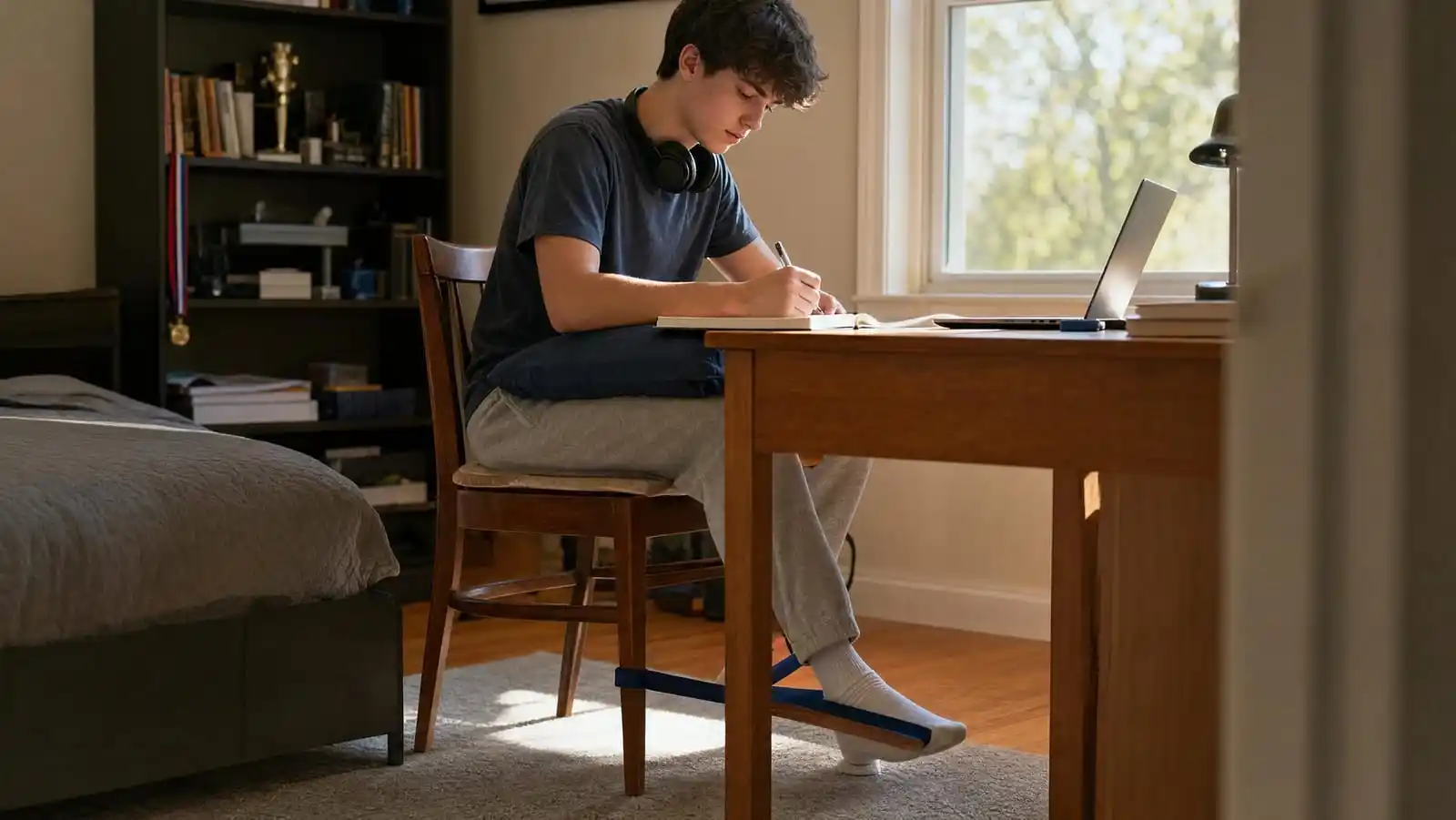
Improved focus and attention: Many adults with ADHD find that movement before or during cognitive tasks significantly improves concentration. A wobble cushion at your desk or a swing break between meetings can transform productivity.
Deep pressure comfort: Compression-style swings provide the added benefit of proprioceptive input—that grounding, hug-like sensation that helps many autistic individuals feel more regulated.
Emotional regulation support: When emotions become overwhelming, vestibular input can help "reset" the nervous system, providing a non-verbal, body-based way to process and calm.
What to Look for in Adult Vestibular Equipment
Not all sensory equipment works for adult bodies. Here's what to prioritize when shopping.
Weight Capacity Is Non-Negotiable
Children's swings typically support 100-150 pounds. That's not going to work for most teens and adults.
Look for equipment rated at minimum 200 pounds—but we recommend 300 pounds or higher for most adult users. This provides a safety margin and ensures the equipment can handle dynamic movement (the additional force generated by swinging or spinning), not just static weight.
Premium options like the Harkla swing support 300 pounds with CPSC certification, meaning the product has been independently tested for safety.
Size Must Accommodate Adult Bodies
Weight capacity alone isn't enough. The equipment needs to fit.
For sensory swings, look for:
- Length of 110 inches or more for adults to fully recline
- Width that allows shoulders to fit comfortably in compression-style swings
- Adjustable hanging height to accommodate different ceiling heights and user preferences
For spinning chairs, prioritize:
- Seat diameter of 20 inches or larger
- Stable base with non-slip feet
- Height appropriate for adult leg length
For balance boards and wobble cushions, ensure the platform is wide enough for adult feet or comfortable for adult seating.
Durability and Quality
Adult use demands adult-grade construction:
- Double-layer fabrics for swings (single-layer fabric wears faster under heavier use)
- Heavy-duty hardware including rated carabiners and load-bearing swivels
- Metal bases for spinning equipment (plastic bases may crack or tip)
- Reinforced stitching at stress points
Spending slightly more upfront on quality equipment saves money and frustration compared to repeatedly replacing budget options. For detailed installation guidance, check our sensory swing buying guide.
Safety Considerations
Adult vestibular use requires some specific precautions:
Start slowly: Begin with 5-minute sessions and gradually increase duration. Your vestibular system may need time to build tolerance.
Spinning limits: Vestibular stimulation from spinning is intense. Experts recommend limiting spinning to 10 minutes maximum. Stop immediately if you feel nauseous or disoriented.
Installation matters: Ceiling-mounted swings must be installed into load-bearing joists, not drywall alone. For adults, this is even more critical given the higher weight and force involved.
Have support nearby: When first using new vestibular equipment, have someone nearby in case you feel dizzy or unsteady.
Best Vestibular Toys for Teens and Adults
Sensory Swings (300 lbs+ Capacity)
For adults seeking the calming, regulating benefits of swinging, these options can genuinely support your weight and body size. For more swing options across all ages, see our guide to the best sensory swings for autism.
Harkla Sensory Swing – Best Overall
The Harkla Sensory Swing sets the standard for adult-appropriate sensory swings.
What makes it stand out:
- 300-pound capacity with CPSC certification (independently verified, not just claimed)
- 110-inch length accommodates full adult height for reclining
- Double-layer spandex/nylon blend provides durability and the compression sensation many find calming
- Includes hardware worth $50: rated carabiners, daisy chain for height adjustment
- Lifetime guarantee from the US-based company
The compression-style design creates a cocoon effect that provides both vestibular and proprioceptive input—the swinging motion combined with the gentle "hug" of the fabric.
Best for: Adults who want premium quality and the security of certified safety testing.
Price: $99
HiCamer Double Layer Sensory Swing – Best Budget
The HiCamer Double Layer Swing delivers genuine 300-pound capacity at nearly half the price of premium options.
What makes it stand out:
- 300-pound capacity suitable for most adults
- Double-layer construction for durability
- 360° swivel hanger allows rotation without tangling
- Indoor and outdoor use provides flexibility
- Multiple color options to match your space
The double-layer fabric provides adequate durability for regular adult use, though it may not last quite as long as the Harkla under heavy daily use.
Best for: Budget-conscious adults who need reliable performance without premium pricing.
Price: $50-60
BETTKEN Sensory Swing Hammock – Best Hammock Style
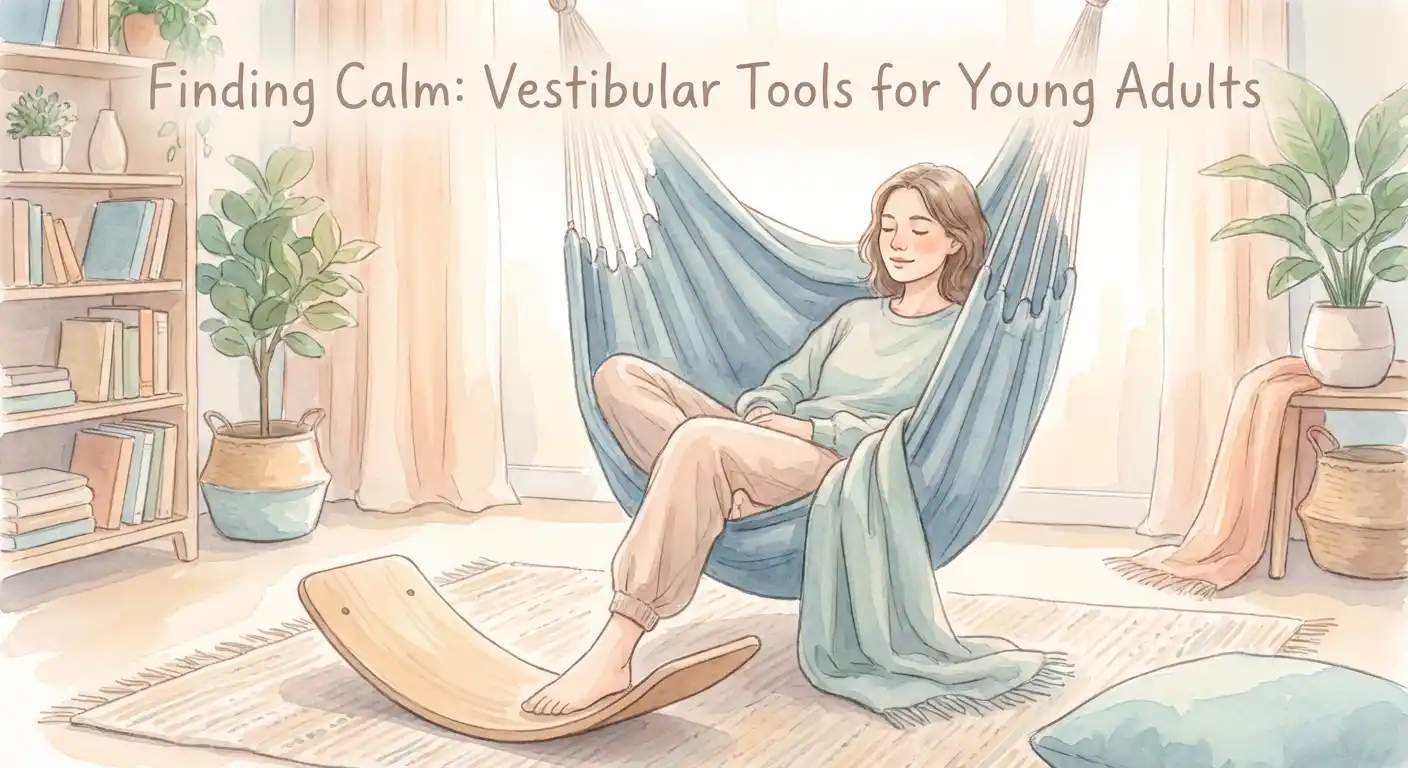
The BETTKEN Sensory Swing Hammock offers an alternative design for adults who prefer a more open, chair-like experience.
What makes it stand out:
- 300-pound capacity for adult users
- Chair bed style allows sitting upright or reclining
- More open design than compression swings—better for those who feel claustrophobic
- Great for reading, relaxing, or working with a laptop
Unlike compression swings that envelop you in fabric, the hammock style provides vestibular input while leaving you more "open" to your environment.
Best for: Adults who prefer hammock-style seating or feel confined in compression swings.
Price: $60-70
Spinning Equipment
Spinning provides intense vestibular stimulation that many autistic individuals specifically seek. For more options, see our article on spinning toys for vestibular seekers.
Zhenx Spinning Chair – Best for Teens
The Zhenx Spinning Chair fills an important gap: spinning equipment that can handle teenage and young adult weights.
What makes it stand out:
- 220-pound capacity accommodates most teens and smaller adults
- Ages 3-18 range makes it appropriate for teens (unlike most spinning toys)
- 21×19 inch seat provides room for larger bodies
- Metal base with non-slip feet ensures stability during spinning
- 360° smooth rotation for vestibular input
The larger seat size and higher weight capacity distinguish this from typical children's spinning toys that max out at 100-150 pounds.
Best for: Teens with autism or ADHD who seek spinning input.
Price: $80-100
VEVOR Sensory Swivel Chair – Best Value Spinner
The VEVOR Sensory Swivel Chair offers similar capacity at a more accessible price point.
What makes it stand out:
- 220-pound capacity for teen and smaller adult use
- 20.5-inch wide metal base provides stability
- Padded seat for comfort during longer sessions
- 360° swivel engages the vestibular system
- Lower price point than competing options
Best for: Families wanting spinning equipment at a value price.
Price: $60-80
Balance and Seating
Not all vestibular input requires major equipment. Some of the most practical options are portable and can integrate into daily life. For more balance equipment options, see our guide to balance boards for sensory seekers.
Wiggle Seat Wobble Cushion – Best for Office or School
The Wiggle Seat Wobble Cushion brings vestibular input to your desk without anyone noticing.
What makes it stand out:
- Works for adults at desk chairs, dining chairs, or on the floor
- 13×13×3 inches fits most standard chairs
- Adjustable inflation allows you to customize stability
- Latex and phthalate free for safety
- Quiet, discrete movement perfect for work or class
The subtle wobble engages your vestibular system while you work, helping maintain focus and providing sensory input without drawing attention.
Best for: Adults who need vestibular input during work or study but want something discrete.
Price: $20-30
Comparison Table
| Product | Type | Weight Limit | Price | Best For | |---------|------|--------------|-------|----------| | Harkla Swing | Compression Swing | 300 lbs | $99 | Overall quality | | HiCamer Swing | Double Layer Swing | 300 lbs | $50-60 | Budget option | | BETTKEN Hammock | Hammock Style | 300 lbs | $60-70 | Open relaxation | | Zhenx Spinning Chair | Spinning Chair | 220 lbs | $80-100 | Teens | | VEVOR Swivel Chair | Spinning Chair | 220 lbs | $60-80 | Value spinner | | Wiggle Seat | Wobble Cushion | 200+ lbs | $20-30 | Office/desk |
How to Use Vestibular Equipment Safely as an Adult
Starting Slowly
Your vestibular system may not be accustomed to regular intentional stimulation. Ease in:
- Begin with 5 minutes per session
- Gradually increase to 15-30 minutes as your tolerance builds
- For spinning: Never exceed 10 minutes, and stop immediately if you feel nauseous
- Listen to your body: Dizziness, nausea, or disorientation means you've done too much
Many adults find that shorter, more frequent sessions work better than occasional long sessions.
Creating a Routine
Consistency matters more than intensity. Therapists typically recommend daily vestibular input of 15-30 minutes for best results.
Morning sessions can help regulate your nervous system before facing the day's demands. Some adults find that 10-15 minutes of swinging before work significantly improves their focus and emotional regulation throughout the day.
Evening sessions can help process the day's sensory and emotional load, making it easier to wind down and sleep.
Work breaks with a wobble cushion or a few minutes on a swing can reset your nervous system mid-day.
Combining with Other Sensory Tools
Vestibular input works well as part of a broader sensory strategy:
- After swinging: Transition to a weighted blanket for deep pressure to extend the calming effect
- During work: Use a wobble cushion at your desk for continuous low-level input
- Before difficult tasks: A brief swing session can prepare your nervous system for challenging conversations or high-focus work
- When overwhelmed: Vestibular input can be part of your regulation toolkit alongside other strategies
Frequently Asked Questions
Can adults use sensory swings?
Yes. Many sensory swings are specifically designed to support adult weights (300+ pounds). The Harkla Sensory Swing, for example, holds 300 pounds and is 110 inches long to accommodate adult height. Adults with autism, ADHD, anxiety, and other conditions benefit from the same vestibular and proprioceptive input that helps children.
What weight limit do I need for an adult sensory swing?
We recommend minimum 200 pounds, but 300 pounds is better for most adults. This provides a safety margin for dynamic movement (the additional force generated by swinging). Look for swings with CPSC certification or third-party testing to verify the claimed weight capacity is accurate.
Is spinning safe for adults with autism?
Spinning can be beneficial but requires caution. The vestibular stimulation from spinning is intense, and experts recommend limiting sessions to 10 minutes maximum. Start with just 2-3 minutes and build tolerance gradually. Stop immediately if you feel nauseous, dizzy, or disoriented. Have someone nearby when first using spinning equipment.
How long should adults use vestibular equipment?
Therapists typically recommend 15-30 minutes of daily vestibular input. However, start with just 5 minutes and increase gradually. For spinning specifically, keep sessions under 10 minutes. Pay attention to your body's responses—some adults need more input, others less. Consistency matters more than duration.
Are sensory swings good for anxiety?
Many adults report that sensory swings significantly help with anxiety. The rhythmic swinging motion activates the parasympathetic nervous system (the "rest and digest" response), which can help calm anxiety. Compression-style swings add the benefit of deep pressure, which many find grounding. Swinging won't replace other anxiety treatments, but it can be a valuable tool in your regulation toolkit.
Conclusion
Your sensory needs didn't expire on your 18th birthday. Whether you're an autistic adult who has always known you need movement to regulate, a teen with ADHD discovering that swinging helps you focus, or a parent supporting an older child's sensory diet—there are real, adult-appropriate options available.
The key is finding equipment that actually fits your body and supports your weight. A 300-pound capacity swing is not excessive—it's appropriate. A larger spinning chair seat isn't a luxury—it's necessary. A wobble cushion at your office desk isn't childish—it's strategic.
Our top recommendations:
- For best overall quality: Harkla Sensory Swing ($99)
- For budget-conscious adults: HiCamer Double Layer Swing ($50-60)
- For workplace integration: Wiggle Seat Wobble Cushion ($20-30)
Start slowly, build your tolerance, and trust that your sensory needs are valid at any age.
For more vestibular equipment options across all ages, explore our full vestibular toys guide.