This article contains affiliate links. We may earn a commission if you make a purchase through our links, at no extra cost to you.
Key Takeaways
- Teen circadian rhythms naturally shift later—this is biology, not laziness
- Autistic and ADHD teens face compounded sleep challenges: sensory needs + adolescent changes
- Discreet, mature-looking tools prevent social embarrassment that might prevent use
- Teen autonomy means involving them in solution design rather than imposing interventions
- Screen management is the biggest battleground but also the highest-impact intervention
Teenagers are biologically programmed to stay up late and sleep in—their circadian rhythms naturally shift during puberty. For neurotypical teens, this creates typical challenges. For teens with autism, ADHD, and sensory processing differences, it compounds existing sleep struggles.
This guide addresses the unique intersection of adolescent development and sensory processing, offering strategies that respect teen autonomy while providing the sensory support they need.
Table of Contents
- Why Teen Sleep Is Different
- Sensory Challenges in Adolescence
- Discreet Sensory Tools for Teens
- Screen Management Strategies
- Creating Buy-In: Working With Your Teen
- Teen-Designed Bedtime Routines
- School and Social Impacts
- Frequently Asked Questions
Why Teen Sleep Is Different
The Circadian Shift
During puberty, the brain's master clock shifts later. Melatonin—the hormone that signals sleepiness—is released later in the evening, and the drive to wake up shifts later in the morning. This is biological, not behavioral.
Impact:
- Natural sleepiness doesn't arrive until 11pm or later
- Natural wake time shifts to 9am or later
- School start times conflict with biology
- Sleep debt accumulates throughout the week
For teens with autism and ADHD, this shift happens on top of already-existing sleep regulation challenges.
Why It's Harder for Neurodiverse Teens
Autism + adolescence:
- Existing circadian differences compound with adolescent shift
- Social demands of high school increase stress and anxiety
- Executive function challenges make bedtime routines harder to maintain
- Sensory sensitivities may intensify during puberty
ADHD + adolescence:
- Racing thoughts at night become more complex
- Increased academic and social demands worsen sleep anxiety
- Medication timing affects sleep patterns
- Impulsivity leads to poor sleep hygiene choices
Sleep Deprivation in Teens
The consequences of teen sleep deprivation are serious:
| Area | Impact | |------|--------| | Mental health | Increased anxiety, depression, irritability | | Academic | Reduced attention, memory, problem-solving | | Physical | Weakened immune system, weight regulation issues | | Social | Relationship difficulties, mood instability | | Safety | Drowsy driving risk, impaired judgment |
Teens need 8-10 hours of sleep but average only 7—and many get far less.
Sensory Challenges in Adolescence
How Sensory Processing Changes in Teen Years
Puberty brings changes to sensory processing:
Hormonal effects:
- Sensory sensitivities may intensify or shift
- New sensory experiences emerge (different body awareness)
- Emotional reactivity affects sensory tolerance
Environmental changes:
- Teen bedrooms often become more cluttered
- More electronics in the space
- Greater exposure to late-night media and social interaction
Social factors:
- Embarrassment about sensory needs
- Rejection of "childish" tools and strategies
- Peer influence on sleep habits (late-night texting, etc.)
Teen-Specific Sensory Sleep Challenges
Auditory:
- Headphone use (music/podcasts to fall asleep) can disrupt sleep
- Notification sounds throughout the night
- May want privacy/sound isolation from family
Visual:
- Screen light exposure extends later into evening
- Homework on screens keeps them alert
- Social media in bed
Tactile/proprioceptive:
- May have outgrown childhood sensory tools
- Self-conscious about using "weighted blankets" if friends see
- Need for deep pressure doesn't disappear but expression of it changes
Discreet Sensory Tools for Teens
Teens are more likely to use sensory tools that don't look "therapeutic" or childish.
Weighted Blankets That Look Like Regular Bedding
Teen-appropriate weighted blankets:
What to look for:
- Solid colors (no childish prints)
- Sizes that fit twin/full beds properly
- Modern, minimalist styling
- Premium fabrics that look like regular bedding
Recommended:
- Luna Weighted Blanket: Adult styling, premium materials, discreet appearance
- Gravity Blanket: Originally designed for adults, sleek design
- Baloo Living Weighted Blanket: Organic cotton, sophisticated look
Compression Alternatives
Athletic compression wear:
- Under Armour or similar brands
- Looks like workout gear, not medical wear
- Can be worn to bed without explanation to friends
- Provides consistent pressure without "therapeutic" stigma
Compression undershirts:
- Worn under regular pajamas
- Invisible to anyone else
- Consistent pressure all night
Sound Solutions
Personal audio:
- Wireless earbuds designed for sleep (Bose Sleepbuds)
- Sleep-specific headband headphones
- White noise apps on their own device (with screen covered)
Room sound:
- Subtle sound machines that look like speakers or decor
- Fan that provides both white noise and airflow
- Smart speaker playing white noise (if notifications disabled)
Low-Profile Light Control
Teen-acceptable options:
- Blackout curtains in mature colors/styles
- Blackout film (invisible from inside)
- Sleep mask (many teens find these acceptable)
- Red-spectrum desk lamp for late-night use
Screen Management Strategies
Why Screens Are the Biggest Challenge
Screens affect teen sleep through multiple mechanisms:
Blue light: Suppresses melatonin production, delaying sleep onset
Mental stimulation: Social media, games, and content keep the brain alert
Social connection: Fear of missing out keeps phones in hand
Homework: Late-night screen-based studying
Realistic Strategies (Not "Just Take the Phone")
Taking away phones entirely often backfires with teens. More effective approaches:
Technology-based solutions:
- Blue light filtering (built into most phones/computers)
- Do Not Disturb modes (automatic scheduling)
- Screen time apps (with teen involvement in settings)
- Grayscale mode at night (removes stimulating colors)
Environmental solutions:
- Charging station outside the bedroom
- "Phone bed" where devices sleep overnight
- Wi-Fi scheduled to turn off at certain time
- Alarm clock to replace phone alarm function
Agreement-based solutions:
- Collaboratively set "screens off" time
- Negotiate exceptions (finishing homework, weekend differences)
- Focus on outcomes (better sleep, better mornings) not rules
- Allow autonomy with accountability
The Screen-Free Hour
Research supports at least one hour of screen-free time before bed. For teens, this might mean:
- 10pm screens off for 11pm bed
- Reading, drawing, music (playing/listening without video)
- Stretching or light exercise
- Journaling or planning tomorrow
- Conversation with family (if teen willing)
Making this time pleasant rather than punitive increases compliance.
Creating Buy-In: Working With Your Teen
Why Buy-In Matters
Teens who feel controlled typically resist. Teens who feel heard typically cooperate. Sleep improvement requires their participation, so getting buy-in is essential.
Approaching the Conversation
Don't:
- Lecture about sleep importance
- Make it about their "bad choices"
- Impose solutions without input
- Use guilt or shame
Do:
- Ask about their experience ("How's your sleep been?")
- Acknowledge the biological challenge
- Express curiosity about what they think would help
- Offer information without mandating action
- Share your observations without judgment
Collaborative Problem-Solving
Step 1: Identify the problem together "I've noticed you're really tired in the mornings. What's that like for you?"
Step 2: Explore their perspective "What do you think gets in the way of better sleep?"
Step 3: Brainstorm solutions together "What are some things that might help? I have some ideas too—want to compare lists?"
Step 4: Let them choose "Which of these would you be willing to try?"
Step 5: Set a trial period "Let's try it for two weeks and see what happens"
Respecting Autonomy While Setting Limits
There's a balance between respecting teen independence and maintaining necessary limits:
Their domain:
- What sensory tools they use
- How they wind down
- When (within reason) they do their routine
- What their room looks like
Parent domain:
- School attendance expectations
- Safety rules (no phones while driving when sleep-deprived)
- House-wide technology policies (WiFi off times)
- Supporting their stated goals (if they want to sleep better, holding them accountable)
Teen-Designed Bedtime Routines
What Makes a Teen Routine Different
Teen bedtime routines should be:
Self-directed: They manage it themselves
Flexible: Can be done in varying order
Reasonable duration: 20-30 minutes is realistic
Private: Doesn't require parental involvement or observation
Elements That Work for Teens
Heavy work options teens accept:
- Workout or exercise earlier in evening
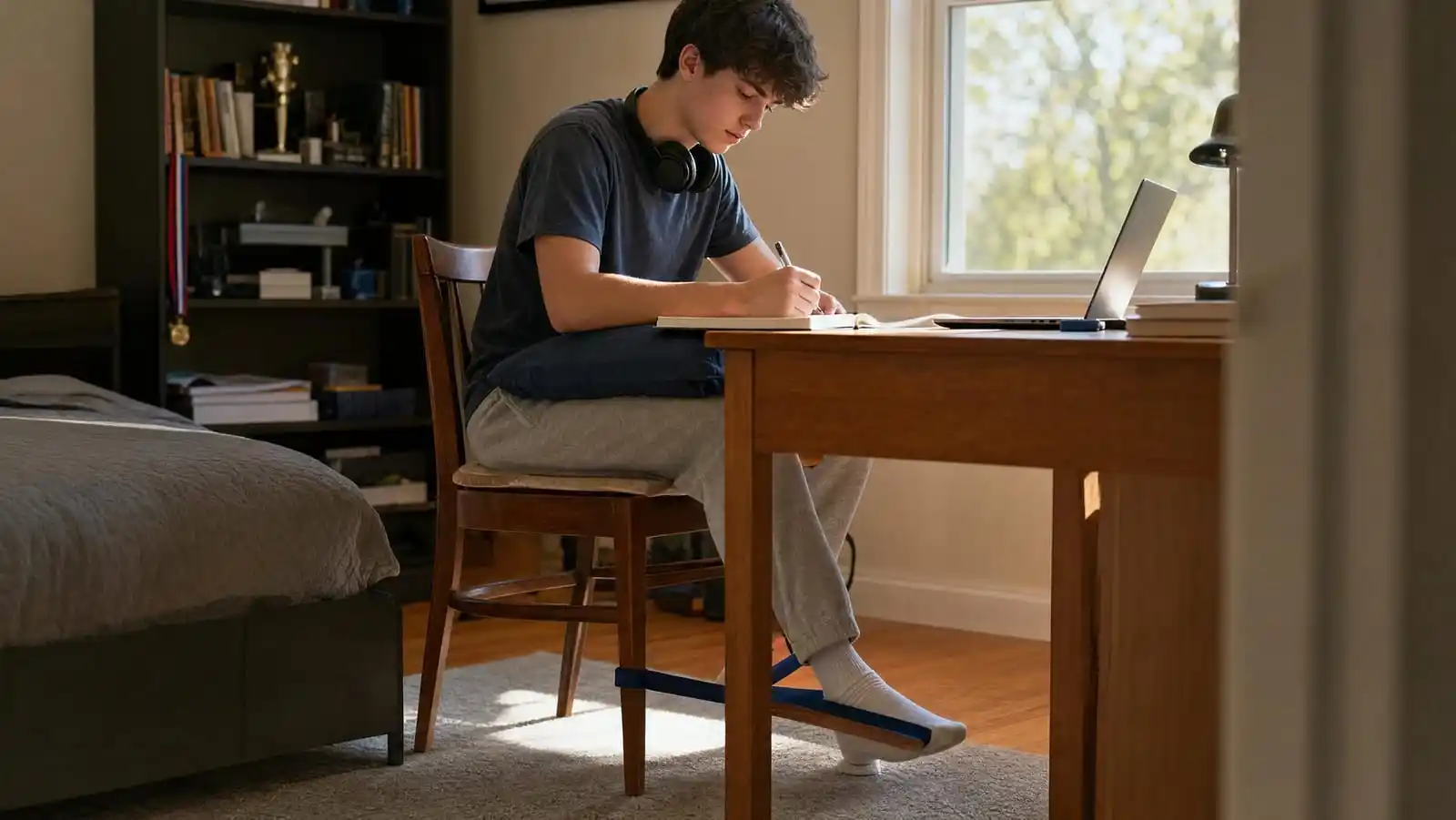
- Resistance bands in bedroom
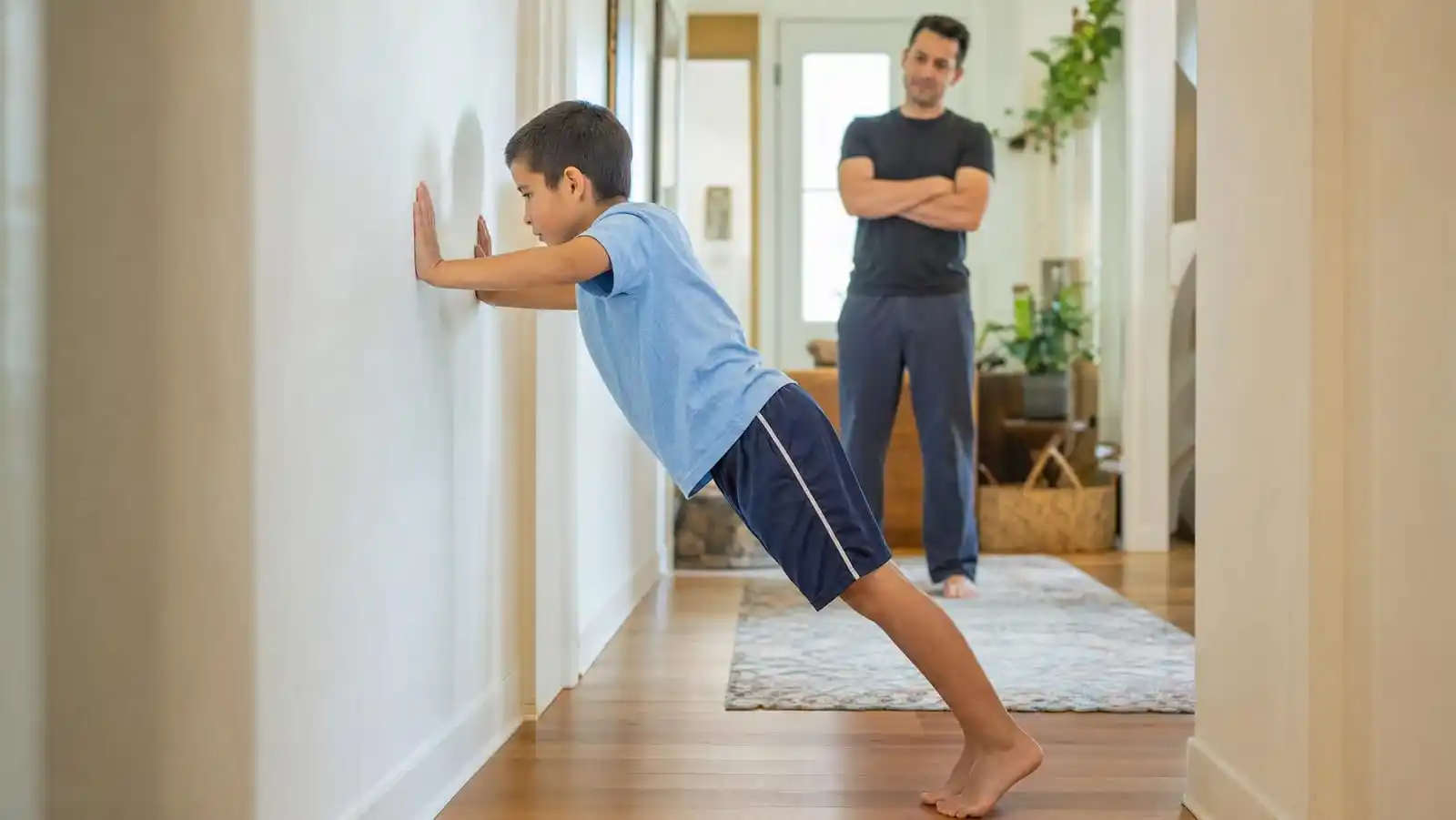
- Push-ups or squats before shower
- Foam rolling or stretching
Deep pressure options:
- Self-massage (foam roller, massage gun)
- Weighted blanket
- Compression wear
- Heavy blanket from regular bedding section
Calming activities:
- Reading (physical book, not on screen)
- Listening to music or podcast
- Drawing or journaling
- Meditation apps (Headspace, Calm)
- Progressive muscle relaxation
Sample Teen Routine
| Time | Activity | Teen perspective | |------|----------|------------------| | 10:00pm | Phone charging station, screens off | "I'm still connected, just not looking" | | 10:05pm | Shower or stretching | "I'd be doing this anyway" | | 10:20pm | Get ready for bed | Normal routine | | 10:30pm | Under weighted blanket with book or music | "This feels good, not like therapy" | | 10:45pm | Deep breathing or just quiet | "Wind down on my terms" | | 11:00pm | Lights out | Reasonable for teen sleep needs |
School and Social Impacts
The School Start Time Problem
Most high schools start at 8am or earlier—directly conflicting with adolescent circadian rhythms. This isn't something you can fully solve at home, but you can mitigate:
Morning strategies:
- Light alarm clock (simulates sunrise)
- Consistent wake time (even weekends, ish)
- Immediate bright light exposure
- Caffeine if helpful (but not after early afternoon)
Advocacy:
- Support later school start time initiatives
- Request accommodations if significantly impacted
- Consider online school options if available and appropriate
Weekend Catch-Up Sleep
Teens often sleep significantly more on weekends, but drastic shifts make Monday harder:
Recommendations:
- Limit weekend sleep-in to 1-2 hours beyond weekday wake time
- If needed, allow one "recovery day" rather than both
- Keep bedtime somewhat consistent
- Naps before 3pm only, 30-60 minutes max
Social Sleep Challenges
Sleepovers, late-night events, and social pressure to stay connected all disrupt teen sleep:
Sensory considerations:
- Sleepovers may be overwhelming (unfamiliar environment, no sensory supports)
- Travel-friendly sensory tools help (compression shirt, sleep headphones)
- Okay to decline or leave early if overwhelmed
- Recovery time after sensory-demanding social events
Frequently Asked Questions
My teen refuses to use any sensory tools. What can I do?
Focus on environment rather than tools:
- Optimize bedroom for darkness and sound
- Ensure comfortable bedding (their choice of texture)
- Support screen management
- Model good sleep habits yourself
They may come around to tools later, or they may find ways to meet their needs without traditional sensory products.
Should my teen's ADHD medication be adjusted for sleep?
This is a conversation for their prescribing doctor. Many ADHD medications affect sleep—some make it harder (stimulants lasting too long), some may be prescribed specifically to help (certain non-stimulant options). Never adjust medication without professional guidance.
My teen has anxiety that keeps them awake. Should I get them therapy?
If anxiety is significantly impacting sleep and daily functioning, therapy can be very helpful. Cognitive Behavioral Therapy for Insomnia (CBT-I) is evidence-based and often effective for teens. Sensory tools address the body's anxiety response but may not resolve the underlying anxiety.
Is melatonin safe for teens?
Melatonin is commonly used and generally considered safe short-term, but research on long-term use in adolescents is limited. Consult your teen's doctor. If melatonin is used, timing matters (1-2 hours before desired sleep time), and it doesn't help everyone. It should support, not replace, good sleep hygiene.
My teen is chronically sleep-deprived and it's affecting their health. How do I make this a priority?
When sleep deprivation is significantly impacting health, academics, or safety:
- Consult with healthcare providers (pediatrician, sleep specialist)
- Consider whether school accommodations are needed
- Explore schedule modifications (later first period, reduced commitments)
- Make sleep a non-negotiable priority, even if other activities suffer temporarily
Sometimes a reset is needed—a period of prioritizing sleep above other commitments until things stabilize.
Will this get better after puberty?
Circadian rhythms typically begin shifting back toward earlier timing in the late teens/early 20s. However, adults with autism and ADHD often continue to have sleep challenges. The goal isn't to wait it out but to build skills and habits that serve them throughout life.
Looking Ahead
The sleep skills teens develop now will serve them in adulthood:
- College will bring new sleep challenges (dorms, schedules, independence)
- Work life will require managing their own sleep
- Adult relationships benefit from good sleep
- Long-term health depends on sleep habits
Investing in teen sleep—even when it's challenging—builds foundations for lifelong wellness.
For more on sensory sleep approaches across ages, see our complete guide to sleep and bedtime sensory solutions for autism and ADHD.