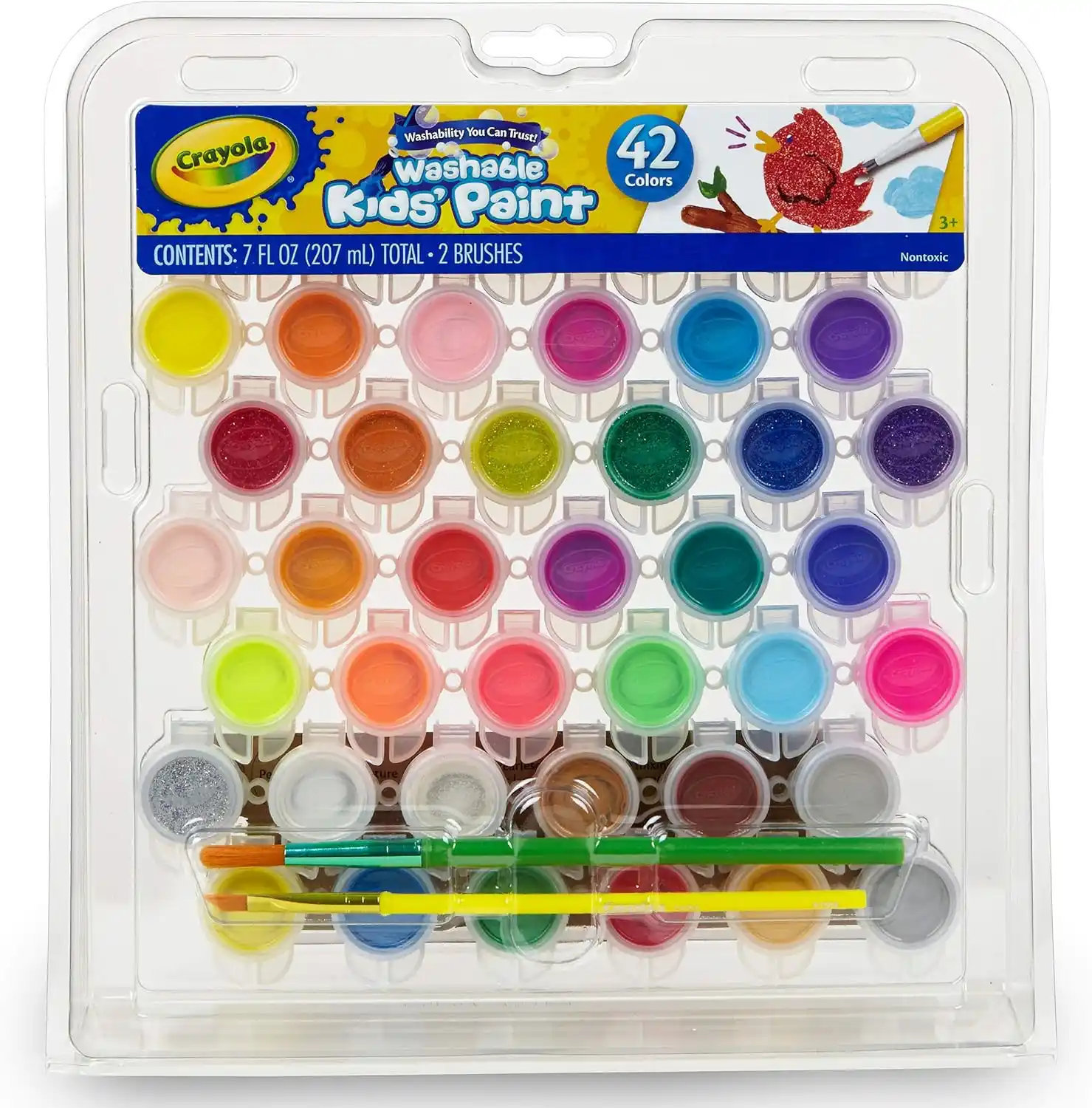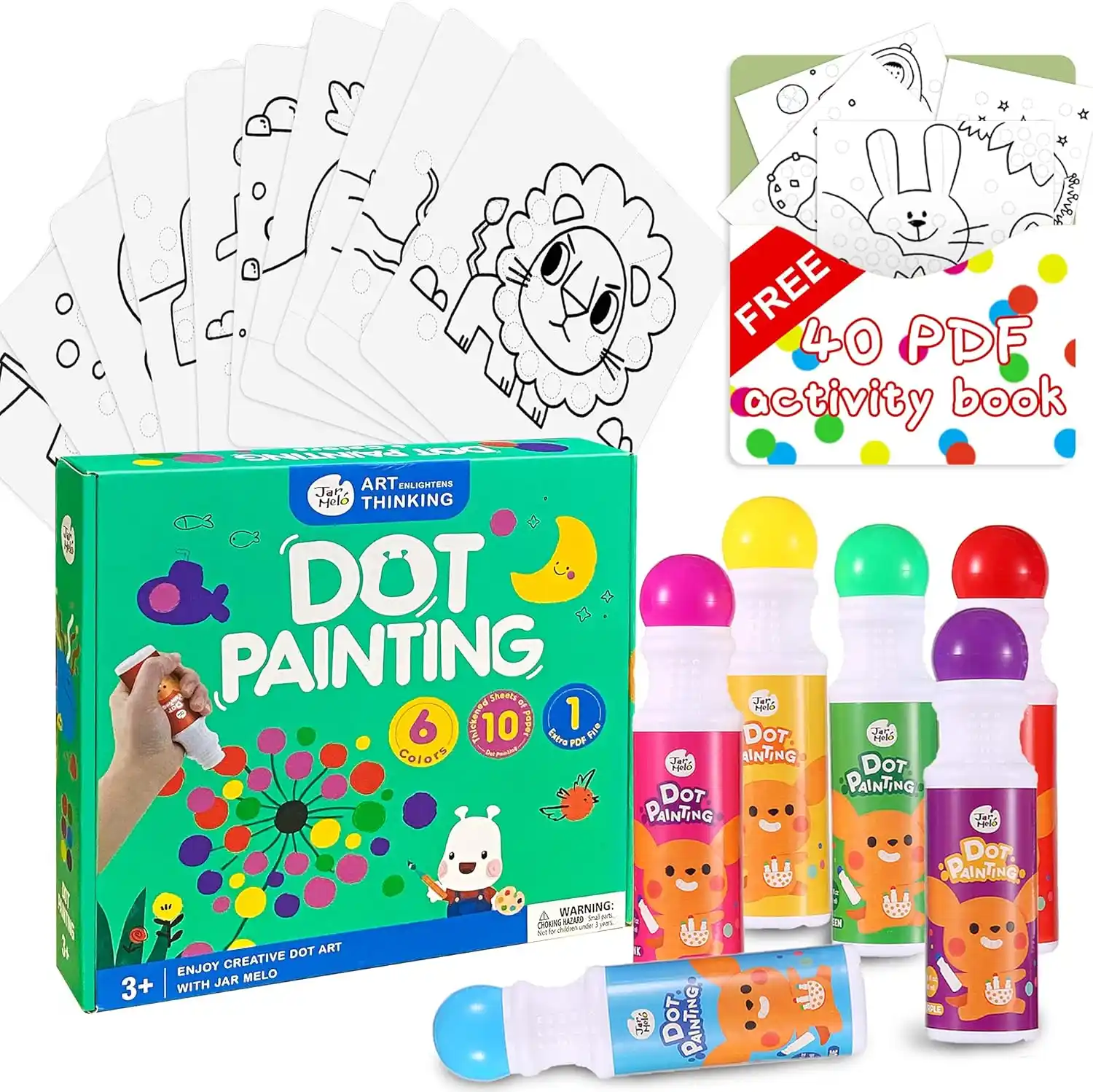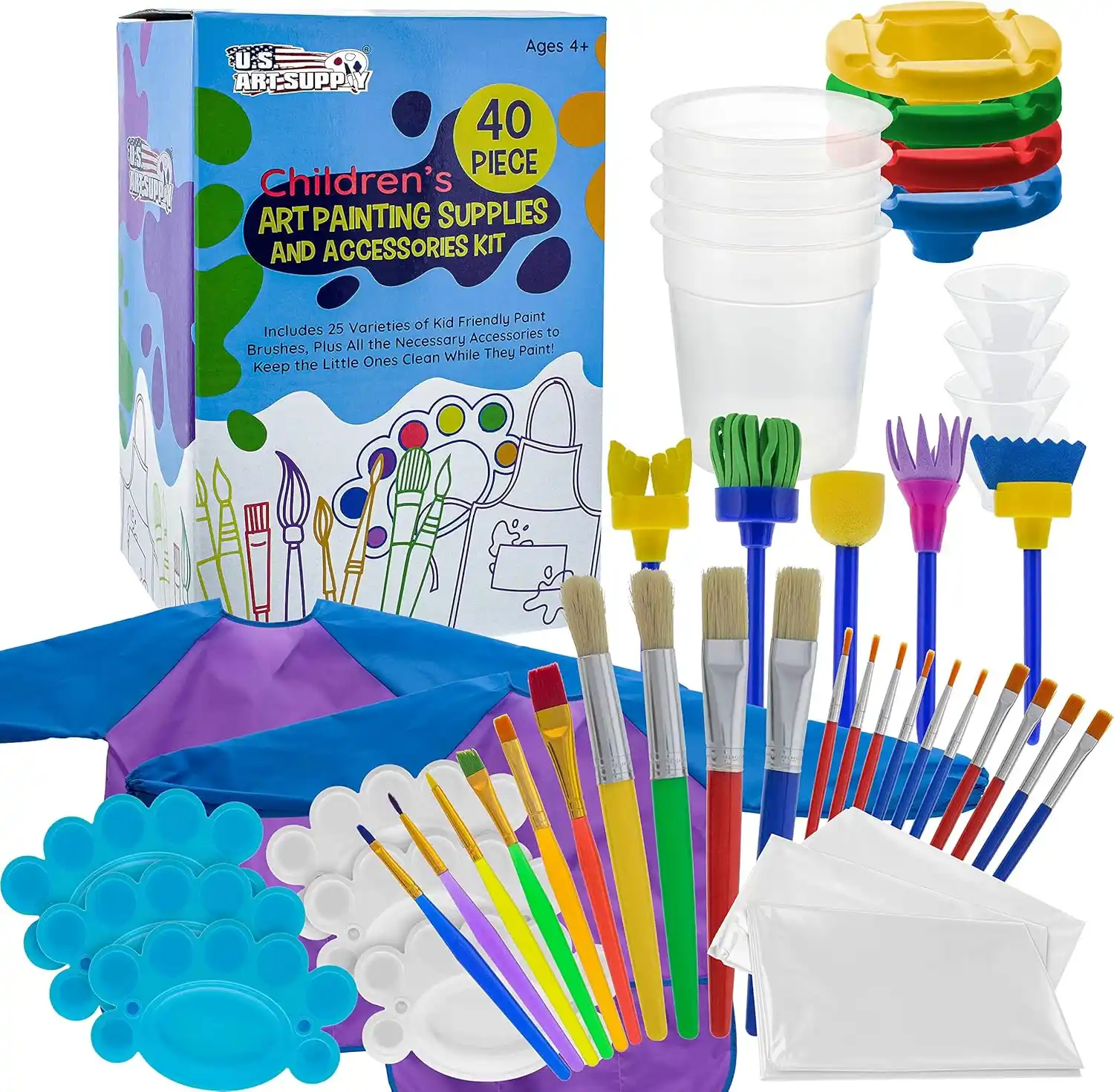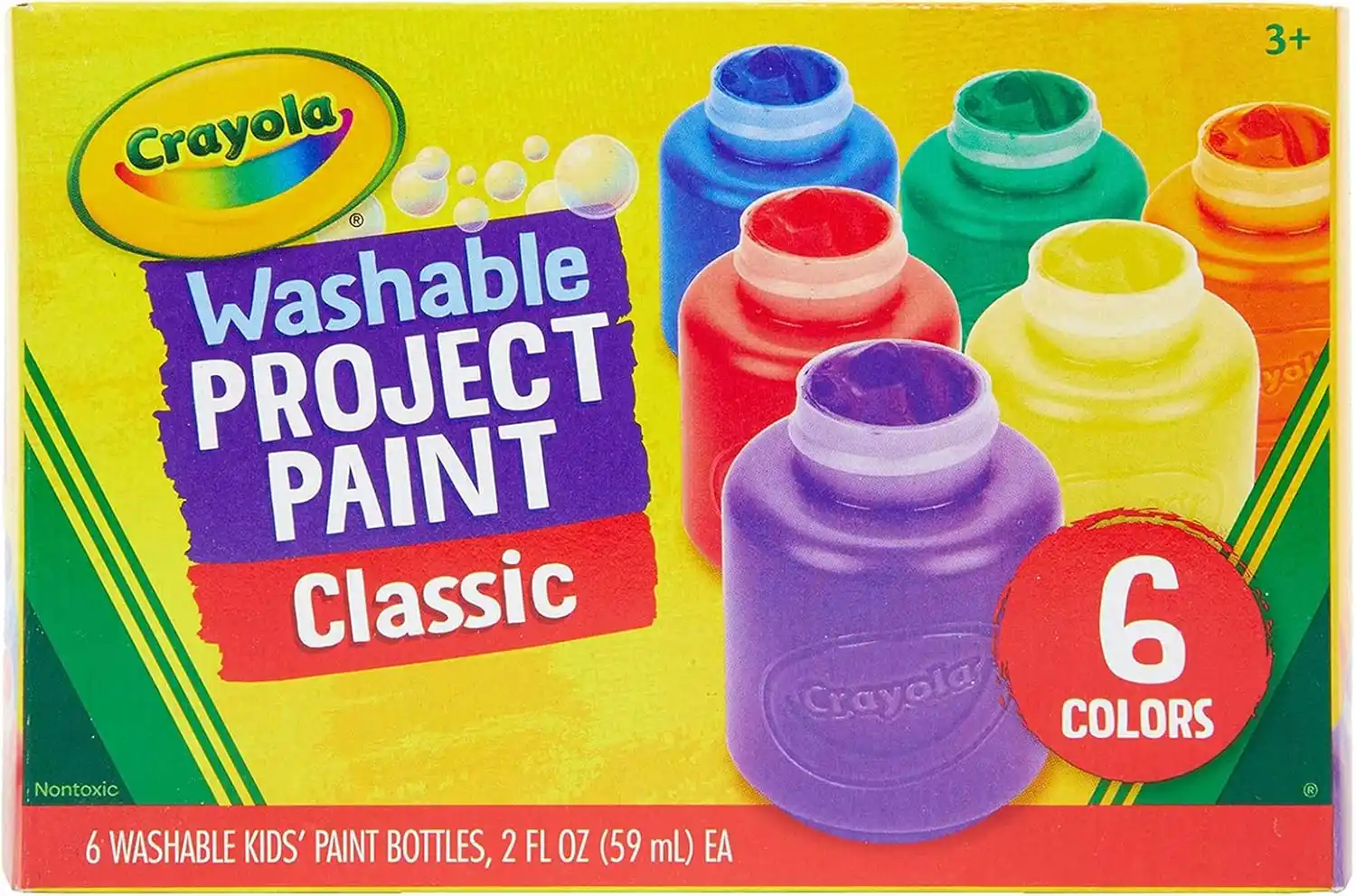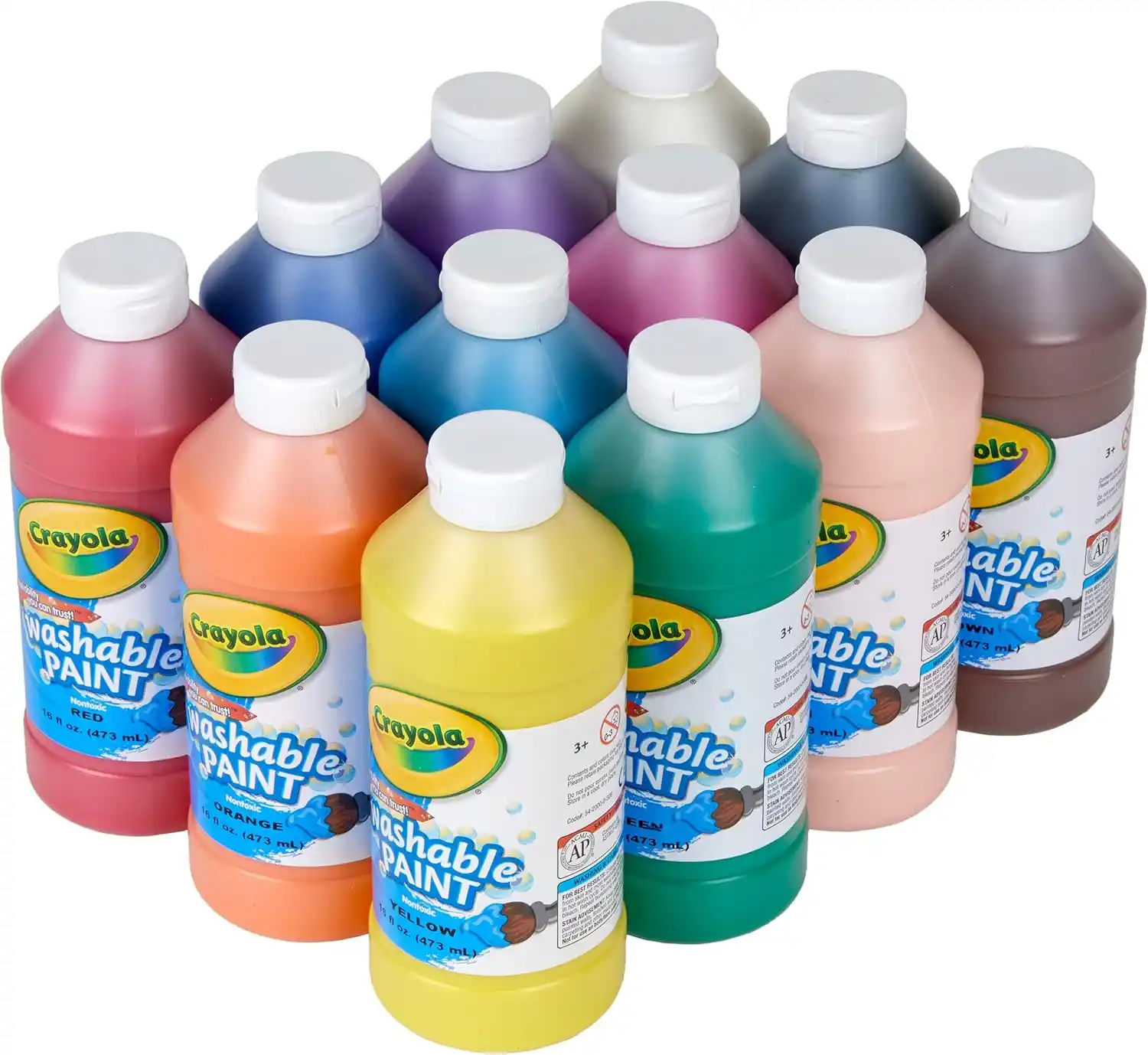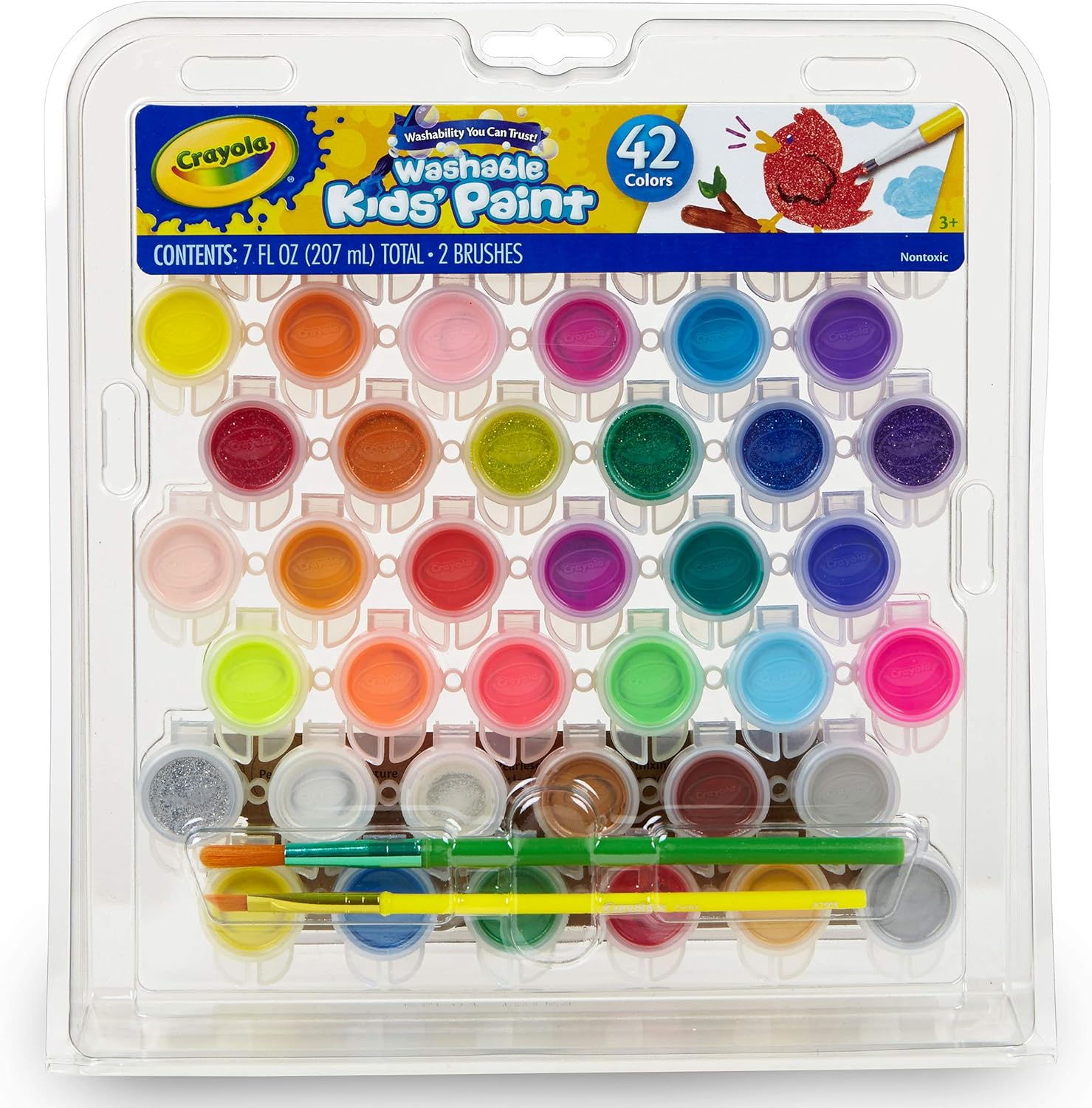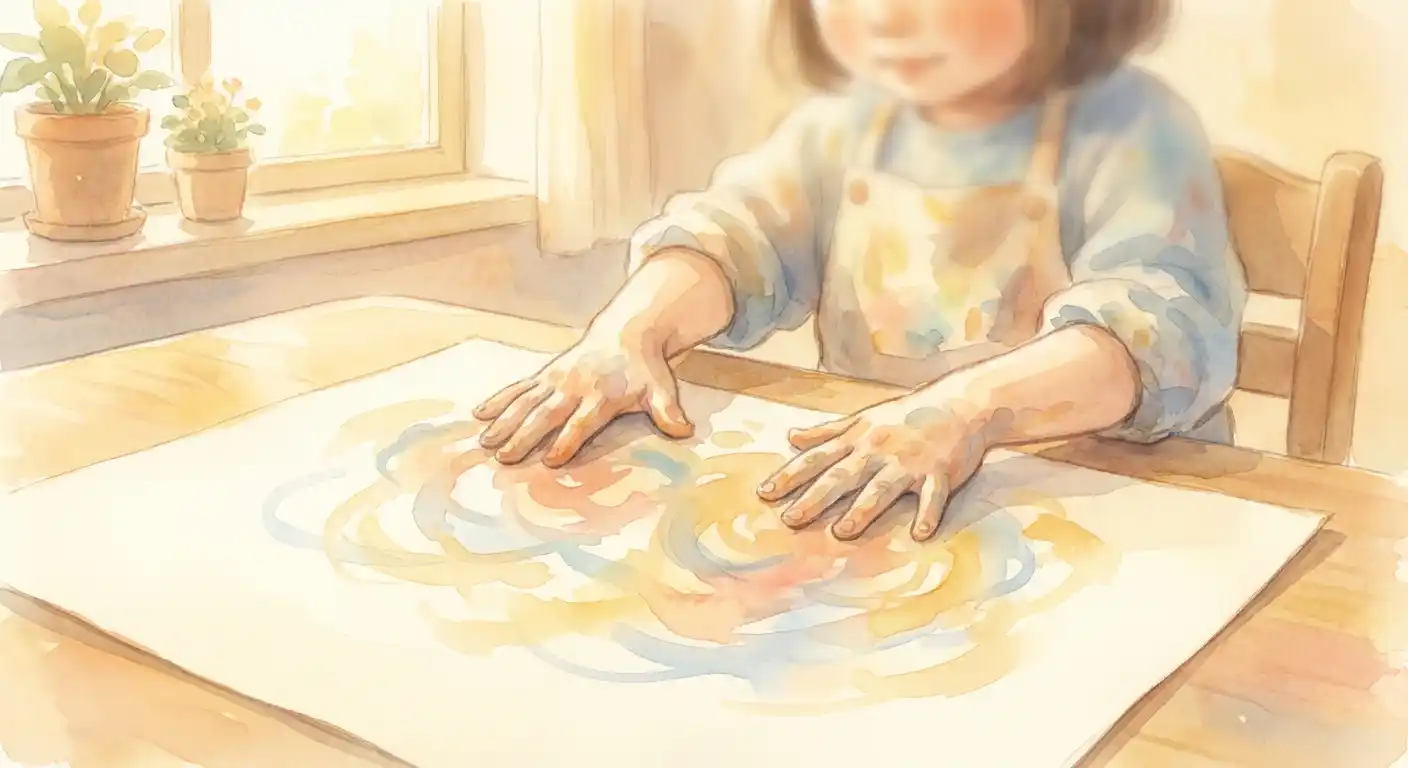
Painting might seem like a messy, chaotic activity, but for children with autism, it can be a powerful tool for developing fine motor skills, sensory processing, and self-expression. The key lies in choosing the right supplies and setting up the experience for success. For a broader look at tactile activities, check out our complete tactile sensory toys guide.
How Painting Builds Fine Motor Skills
Every brush stroke exercises the small muscles of the hand and develops the coordination needed for countless daily tasks:
Grip Strength and Control
Holding a paintbrush requires sustained grip, building the hand strength needed for pencil control and self-care tasks. Different brush sizes challenge different aspects of grip, from whole-hand grasping to refined pincer grip.
Wrist and Arm Coordination
Painting involves the entire arm, from shoulder to fingertips. Broad strokes build proximal stability (shoulder and upper arm strength), while detailed work develops the distal control (wrist and finger precision) needed for writing.
Visual-Motor Integration
Painting requires coordinating what the eyes see with what the hands do. This visual-motor integration is foundational for academic tasks like copying from the board and aligning numbers in math problems.
Bilateral Coordination
Holding paper steady with one hand while painting with the other builds the bilateral coordination needed for activities like cutting with scissors and tying shoes.
Making Painting Autism-Friendly
Traditional painting setups can present challenges for children with autism. Here's how to modify for success:
Address Sensory Concerns
Texture: Some children dislike the wet sensation of paint. Start with thick, finger-paint consistency or try alternative tools like sponges or stamps that minimize direct contact. Sensory bins with water beads offer another way to explore textures with more control.
Smell: Some paints have strong odors. Choose low-odor or unscented options, and ensure good ventilation.
Visual: Bright colors can be stimulating. If your child is easily overwhelmed, start with neutral or pastel tones.
Clean-up: Many children find the sensation of washing paint off their hands distressing. Have wet wipes ready for quick clean-up, and consider smocks or old clothes to reduce anxiety about mess.
Create Structure
Designated Space: A specific painting area signals that it's art time and helps with transitions.
Clear Boundaries: Use a mat or tray to define where painting happens. Some children do better with an easel that creates a vertical boundary.
Organized Supplies: Arrange paints in a consistent order. Use labeled containers so children know where things belong.
Visual Schedules: Show the steps of painting time (setup, paint, clean-up) if your child benefits from knowing what to expect.
Reduce Pressure
Process Over Product: Focus praise on effort and exploration rather than the finished result.
No Wrong Way: Avoid correcting techniques unless there's a safety concern. Children learn through experimentation.
Choice Within Structure: Offer limited choices ("Do you want to use blue or green first?") rather than open-ended options.
Progressive Skill Building
Start where your child is and build gradually:
Stage 1: Exploration
Focus on sensory experience and basic grip. Use dot markers, sponges, or finger painting (if tolerated). No expectations for recognizable images.
Stage 2: Large Motor Painting
Introduce brushes with thick handles. Encourage big arm movements on large paper. Practice vertical strokes, horizontal strokes, and circles.
Stage 3: Controlled Strokes
Work on staying within boundaries, like painting a large shape. Introduce smaller brushes as grip develops. Practice stopping and starting.
Stage 4: Detailed Work
Paint smaller areas. Add details to pictures. Introduce different brush types for various effects.
Beyond the Easel
The skills built during painting transfer broadly:
- Writing Readiness: The grip strength, coordination, and visual-motor skills prepare children for handwriting
- Self-Regulation: Painting can become a calming activity that children choose independently
- Self-Expression: Non-verbal children can communicate through their artwork
- Pride and Accomplishment: Displaying finished paintings builds self-esteem
With the right approach and autism-friendly supplies, painting becomes more than an art activity. It's a therapeutic tool that builds skills, provides sensory input, and creates opportunities for connection and self-expression. For younger children just starting their sensory journey, explore our best tactile toys for toddlers.