Back to Home

Sensory Puzzles That Will Thrill Your Child with Autism

Sensory Toy Space Team
Share:
This post may contain affiliate links. Click here to read my affiliate policy.

Sensory puzzles offer something special for children with autism: they combine the cognitive challenge of traditional puzzles with the tactile, visual, and proprioceptive input that many of these children crave or need. When you find the right sensory puzzle, you're not just providing entertainment. You're giving your child a tool that simultaneously calms, challenges, and develops crucial skills. For a deeper dive into tactile tools, see our complete tactile sensory toys guide.

What Makes a Puzzle "Sensory"?

Sensory puzzles go beyond simply fitting pieces together. They engage multiple senses and provide feedback that helps regulate the nervous system:

Tactile Elements

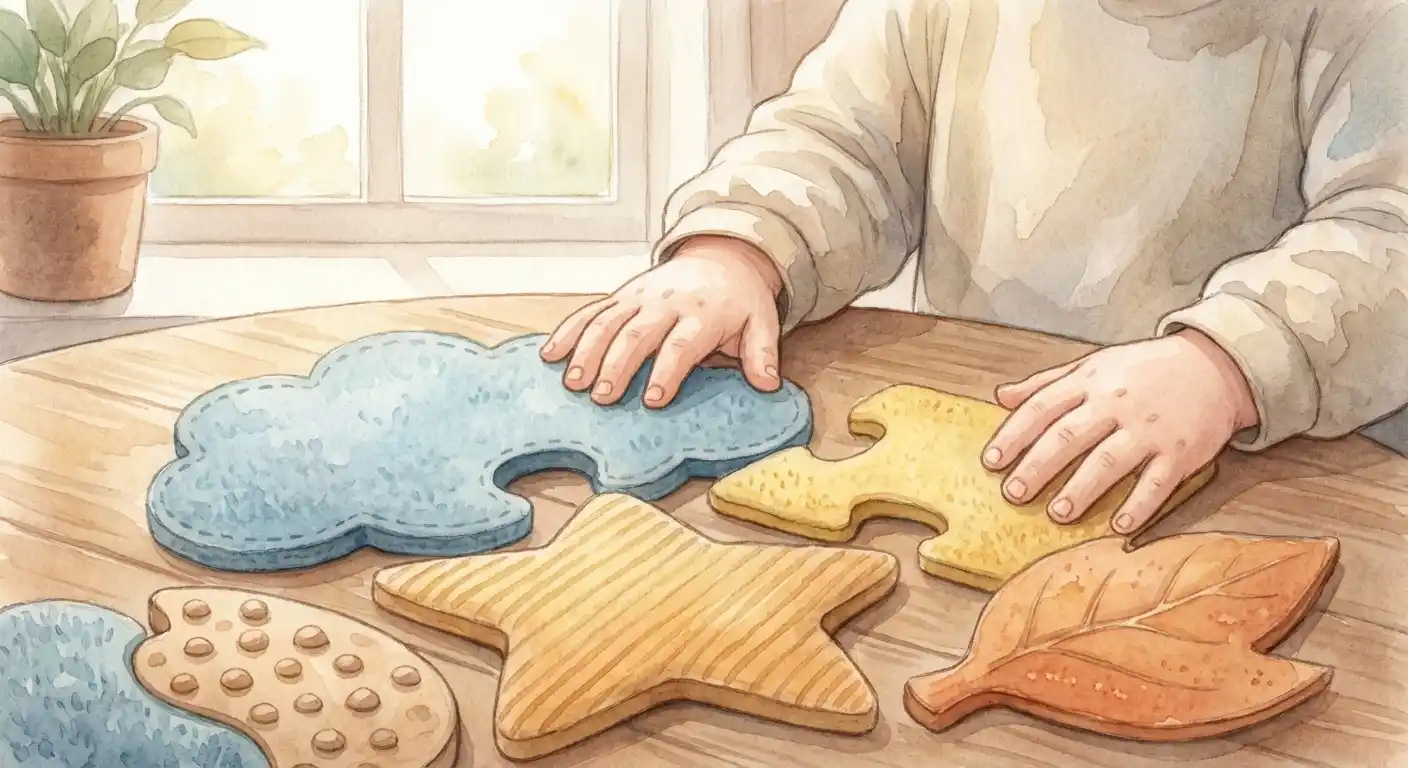
Textured pieces, wooden materials, fabric components, and varied surfaces provide touch input that can be organizing for children who seek tactile stimulation.

Visual Appeal

Bright colors, high contrast, and engaging images capture attention and leverage the visual strengths many children with autism possess.

Proprioceptive Feedback

The weight of wooden pieces and the pressure of snapping pieces into place provide the deep pressure input that helps many children feel grounded.

Auditory Satisfaction

The "click" of a piece fitting correctly or the sound of wooden pieces against each other can be rewarding feedback that motivates continued effort.

How Sensory Puzzles Support Development

These specialized puzzles build skills across multiple developmental domains:

Cognitive Development

  • Problem-solving: Finding where pieces fit requires analysis and strategy
  • Spatial reasoning: Understanding how shapes relate to spaces builds mathematical thinking
  • Memory: Remembering strategies and piece locations strengthens working memory
  • Flexible thinking: Learning that problems can have multiple solutions

Fine Motor Skills

  • Grip strength: Picking up and manipulating pieces builds hand muscles
  • Pincer grasp: Small pieces require thumb-and-finger coordination
  • Hand-eye coordination: Visually guiding pieces into place integrates vision and movement
  • Bilateral coordination: Using both hands together to manipulate puzzles

Emotional Regulation

  • Calming sensory input: The tactile and proprioceptive feedback can soothe an overwhelmed nervous system
  • Accomplishment: Completing puzzles builds confidence and positive emotional experiences
  • Focus: The engaging nature of sensory puzzles can help children develop attention skills
  • Frustration tolerance: Working through challenges builds persistence

Social Skills

  • Turn-taking: Puzzles can be done together, practicing social exchanges
  • Joint attention: Working on puzzles with others requires shared focus
  • Communication: Puzzle play creates opportunities for language use

Matching Puzzles to Sensory Profiles

Not every sensory puzzle works for every child. Consider your child's sensory preferences:

For Sensory Seekers

These children crave intense sensory input. Look for:

  • Textured pieces with varied surfaces
  • Bright, high-contrast colors
  • Weighted or chunky pieces
  • Puzzles with clicking or snapping feedback - also check out tactile fidget toys for focus

For Sensory Avoiders

These children are easily overwhelmed by sensory input. Look for:

  • Smooth, predictable textures
  • Muted or pastel colors
  • Quiet pieces that don't make loud sounds
  • Simple designs without too much visual complexity

For Mixed Profiles

Many children seek some types of input while avoiding others. Observe what your child gravitates toward and what they resist, then choose puzzles accordingly.

Creating Successful Puzzle Experiences

The right puzzle is only part of the equation. Environment and approach matter too:

Set Up for Success

  • Quiet space: Reduce competing sensory input so the puzzle can be the focus
  • Organized setup: Lay out pieces systematically rather than dumping them in a pile
  • Comfortable positioning: Ensure your child can reach and see the puzzle comfortably

Support Without Taking Over

  • Wait: Give your child time to figure things out before offering help
  • Describe, don't direct: "I see you're looking for a piece with a straight edge" rather than "Put that one there"
  • Celebrate effort: "You worked really hard on that!" focuses on persistence rather than just completion

Build Gradually

  • Start achievable: Begin with puzzles your child can complete mostly independently
  • Add challenge slowly: Increase difficulty as skills develop
  • Return to favorites: Sometimes practicing familiar puzzles builds confidence

The Thrill of Finding the Right Fit

When a child with autism finds a sensory puzzle that clicks (literally and figuratively), something special happens. The sensory input calms their system. The cognitive challenge engages their mind. The success builds their confidence. And the skills developed transfer far beyond puzzle time.

That's the real thrill of sensory puzzles: watching your child not just complete a puzzle, but grow through the process. For children who also benefit from oral sensory input while focusing, explore our oral sensory toys guide.
Product Reviews

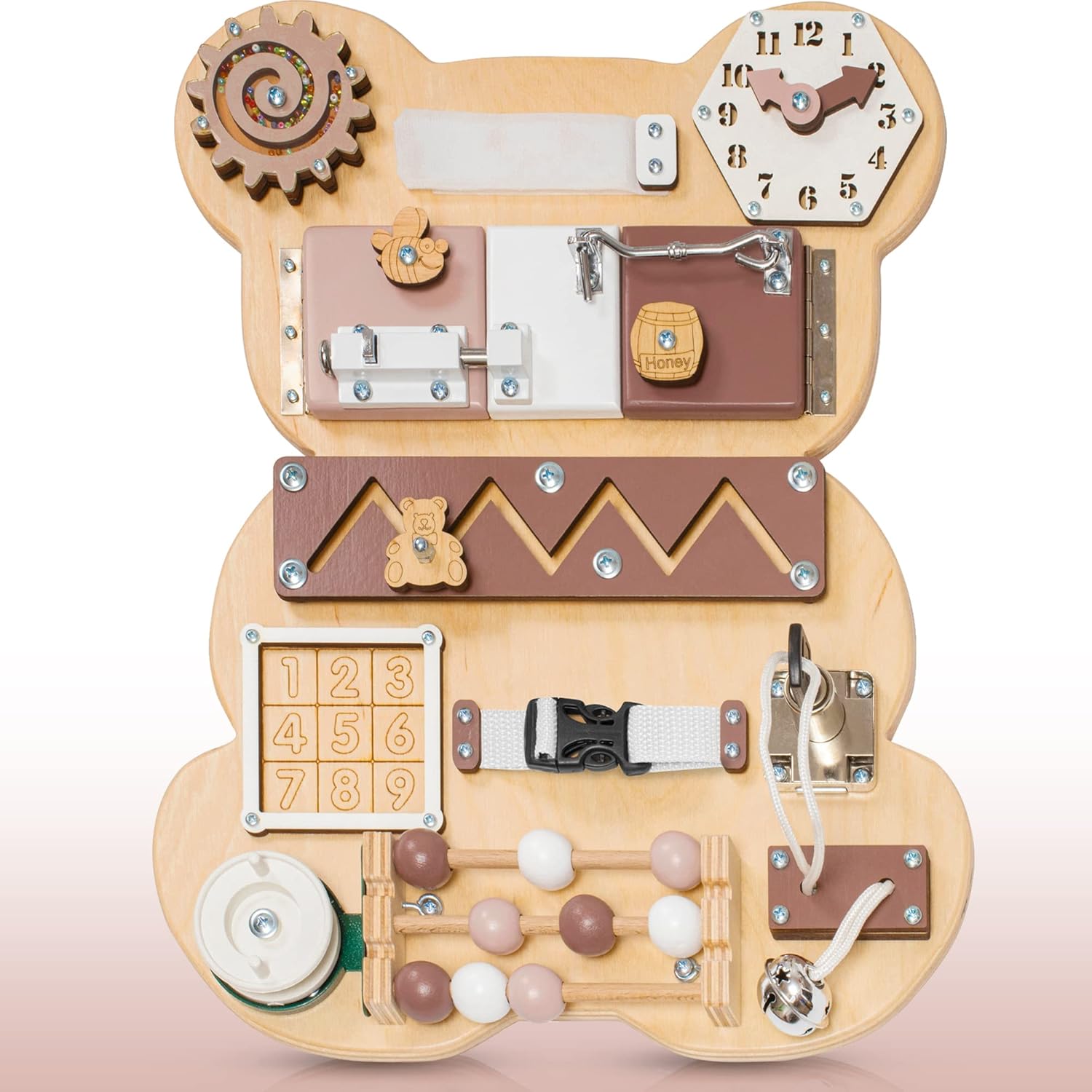
EvoKids Busy Board - Best Multi-Sensory Experience

This bear-shaped busy board packs multiple sensory puzzle experiences into one portable package. Buckles, buttons, zippers, laces, and snaps all offer different tactile sensations while building the practical life skills children need for dressing and self-care.

The activities target fine motor development through real-world movements, making practice feel purposeful rather than arbitrary. The soft fabric base is comfortable to hold and gentle for children who are sensitive to hard materials.

What We Like

"My son learned to button his shirt after just a few weeks with this board! The variety keeps him engaged, and he loves the different textures."

QUOKKA Wooden Puzzles - Best for Visual Learners

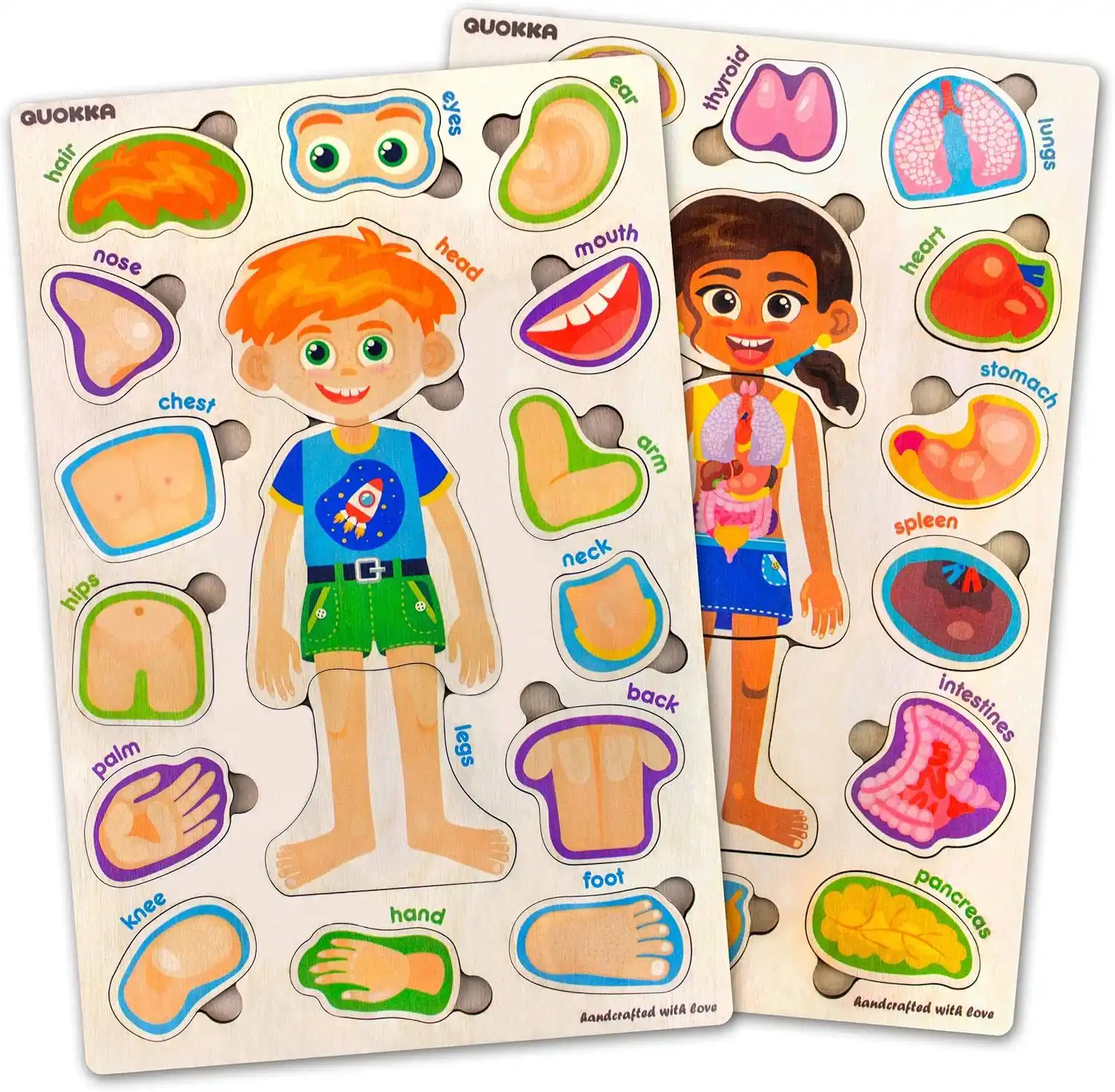
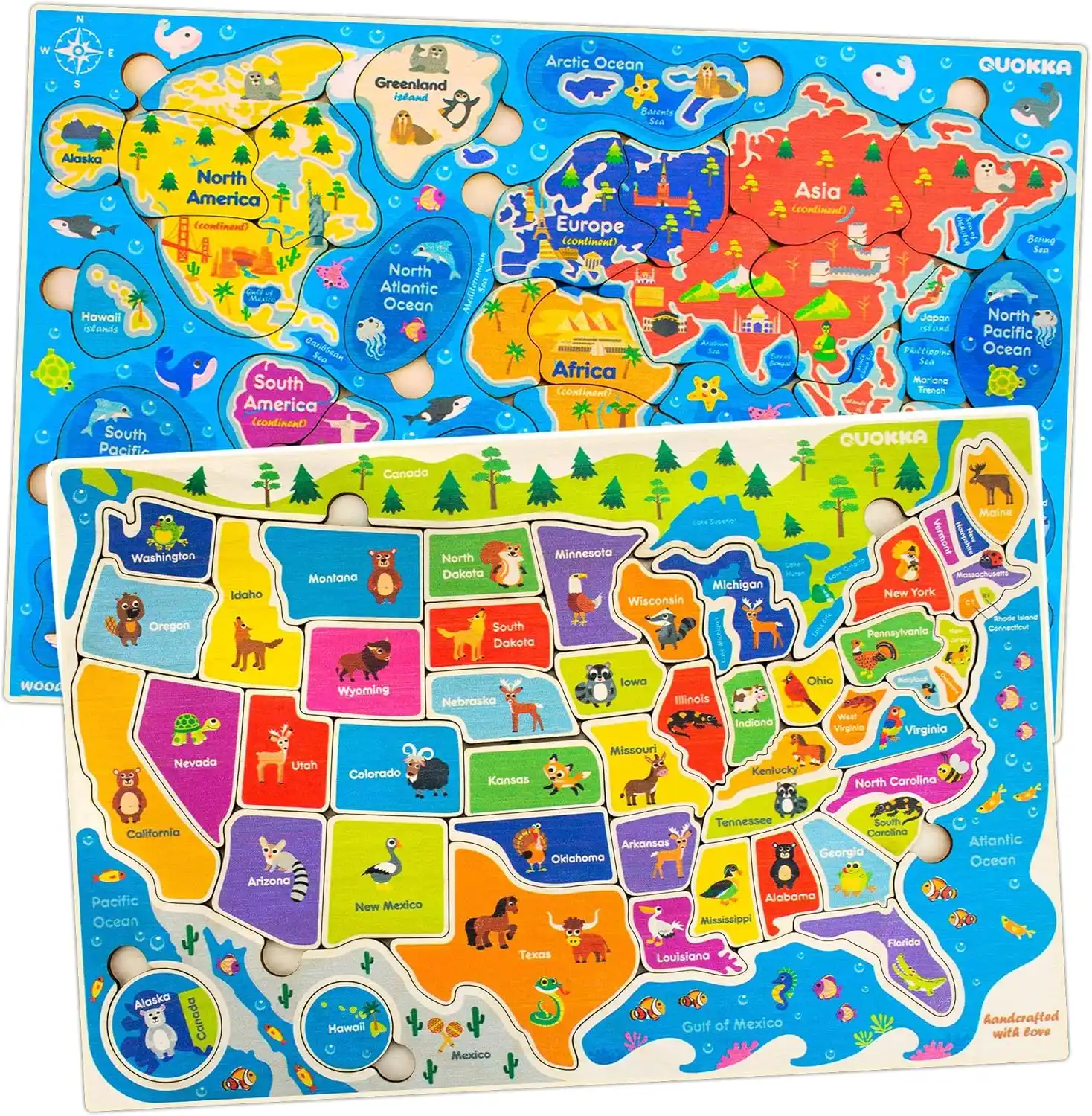
These beautifully illustrated wooden puzzles combine visual appeal with tactile satisfaction. The chunky pieces are easy to grasp and provide satisfying "click" feedback when placed correctly. Water and scratch-resistant paints ensure durability through countless uses.

The puzzles target associative reasoning and eye-hand coordination while supporting visual processing strengths common in children with autism. Multiple difficulty levels allow for progression as skills develop.

What We Like

"The colors are so vibrant that my daughter is drawn to these puzzles every day. She's made so much progress with her hand-eye coordination!"

Dreampark Animal Puzzles 6-Pack - Best Value Set

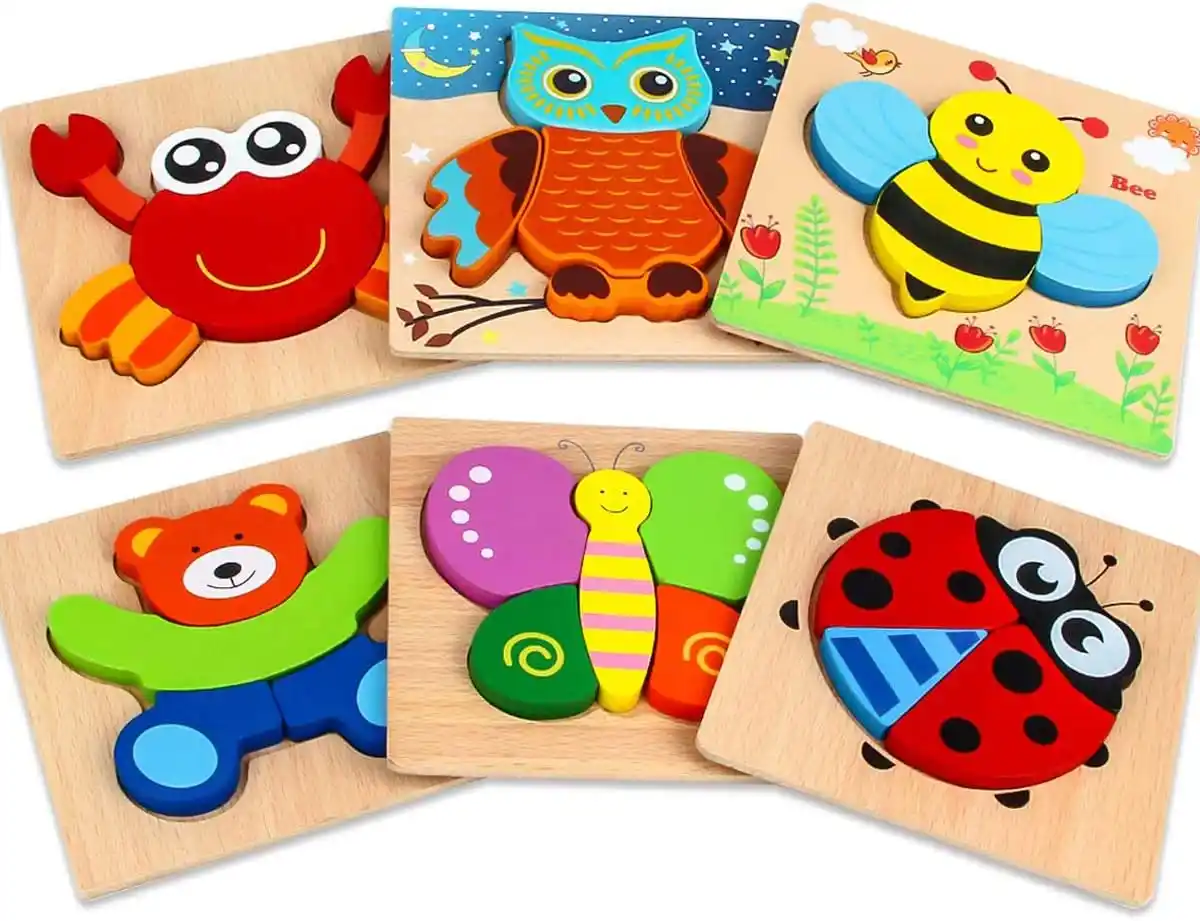
This set of six animal-themed wooden puzzles offers variety while maintaining consistent quality. Each puzzle features sturdy pieces with smooth, child-safe edges and bright, engaging illustrations that capture attention and motivate completion.

The animal themes provide natural conversation starters and opportunities for language development. Multiple puzzles allow for rotation to maintain interest while building persistence through familiar challenges.

What We Like

"Having six different puzzles keeps things interesting. My son has his favorites, but he'll try the others when he's feeling adventurous."

Coogam Hexagon Puzzle - Best Brain Challenge

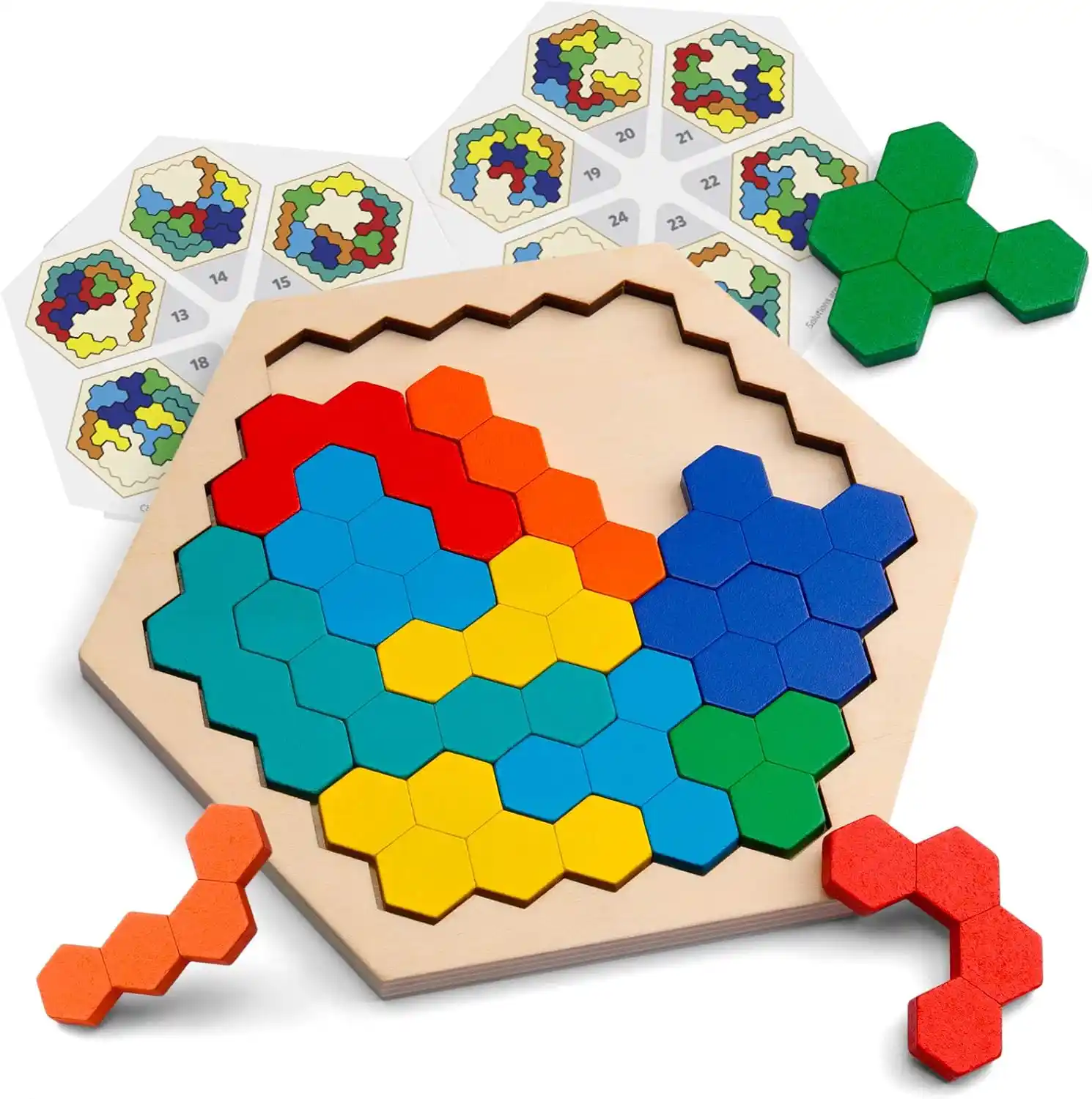
This unique puzzle offers a different kind of challenge with its open-ended design. Seven colorful blocks in various shapes can be arranged in multiple ways to fill the hexagon frame, encouraging flexible thinking and reducing frustration from "wrong" answers.

The geometric shapes introduce early math concepts while the problem-solving aspect builds critical thinking skills. The wooden construction provides satisfying tactile feedback and durability.

What We Like

"This puzzle has been wonderful for teaching my daughter that there's often more than one right answer. It's reduced her anxiety about being 'wrong' so much!"

QUOKKA Toddler Puzzles - Best for Younger Children

Designed specifically for ages 2-4, these puzzles feature larger pieces and simpler designs appropriate for developing hands and minds. The water-resistant finish ensures durability through the inevitable mouthing and rough handling of toddlerhood.

Each puzzle builds foundational skills like shape recognition, color matching, and hand-eye coordination. The toddler-friendly difficulty level ensures success, building confidence for more challenging puzzles later.

What We Like

"Finally found puzzles my 2-year-old can actually complete! The pieces are the perfect size for little hands, and he's so proud when he finishes one."

Quick Comparison

Editor's Choice

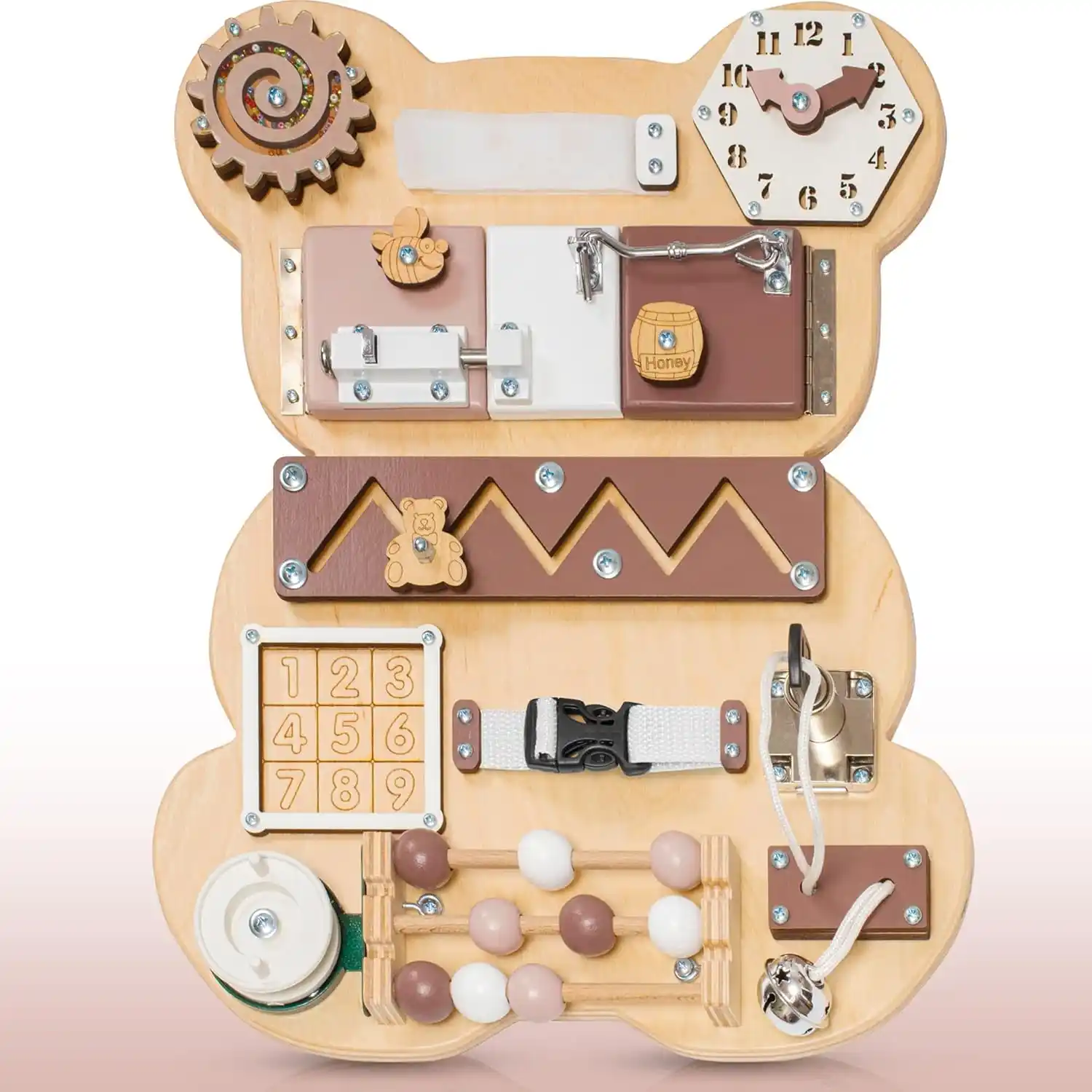
EvoKids Busy Board Best Multi Sensory Experience

Cover Image for EvoKids Busy Board - Best Multi-Sensory Experience

Check price on Amazon

This bear-shaped busy board packs multiple sensory puzzle experiences into one portable package.

Best Visual Design

Best for Visual Learners

Cover Image for QUOKKA Wooden Puzzles - Best for Visual Learners

Check price on Amazon

These beautifully illustrated wooden puzzles combine visual appeal with tactile satisfaction.

Best Value

Dreampark Animal Puzzles 6 Pack Best Value Set

Cover Image for Dreampark Animal Puzzles 6-Pack - Best Value Set

Check price on Amazon

This set of six animal-themed wooden puzzles offers variety while maintaining consistent quality.

Understanding Sensory Processing and Puzzles

Many children with autism have differences in how they process sensory information. Sensory puzzles can provide the input their nervous systems need while building cognitive and motor skills. The key is matching the puzzle's sensory qualities to your child's profile.

Sensory seekers often gravitate toward puzzles with textured pieces, satisfying clicks, or bright colors. Sensory avoiders may prefer smooth wooden pieces and quieter, simpler designs. Understanding your child's sensory preferences helps you choose puzzles they'll actually enjoy using.

About the Author

Sensory Toy Space Team

Our team of child development specialists and sensory product researchers is dedicated to helping parents find the best toys and tools for children with autism, ADHD, and sensory processing differences.

Read Next

1 min read

Bedtime Anxiety and Sensory Tools That Help

*This article contains affiliate links. We may earn a commission if you make a purchase through our links, at no extra cost to you.*
Sensory Toy Space Team

EvoKids Busy Board - Best Multi-Sensory Experience

Check price on Amazon
View on Amazon