
This article contains affiliate links. We may earn a commission if you make a purchase through our links, at no extra cost to you.
Key Takeaways
- Deep pressure (firm hugs, weighted blankets, squeezing) activates the parasympathetic nervous system and is calming for most children
- Light touch (tags, unexpected contact, light brushing) can be alerting or even trigger fight-or-flight responses
- Many children with autism display both patterns: seeking deep pressure while avoiding light touch
- Research shows deep pressure can increase serotonin/dopamine while reducing cortisol
- When in doubt, start with deep pressure—it's almost universally calming
The Quick Distinction
Our top recommendations
Deep Pressure = Firm, consistent pressure → Usually calming → Activates proprioceptive system
Light Touch = Gentle, unpredictable touch → Often alerting or irritating → Can trigger defensiveness
Most children with sensory processing differences do better with deep pressure input, especially when dysregulated.
What Is Deep Pressure?
Deep pressure, also called deep touch pressure (DTP), is firm, consistent tactile input that activates the proprioceptive system. Research suggests it has a calming effect on the nervous system.
Examples of Deep Pressure:
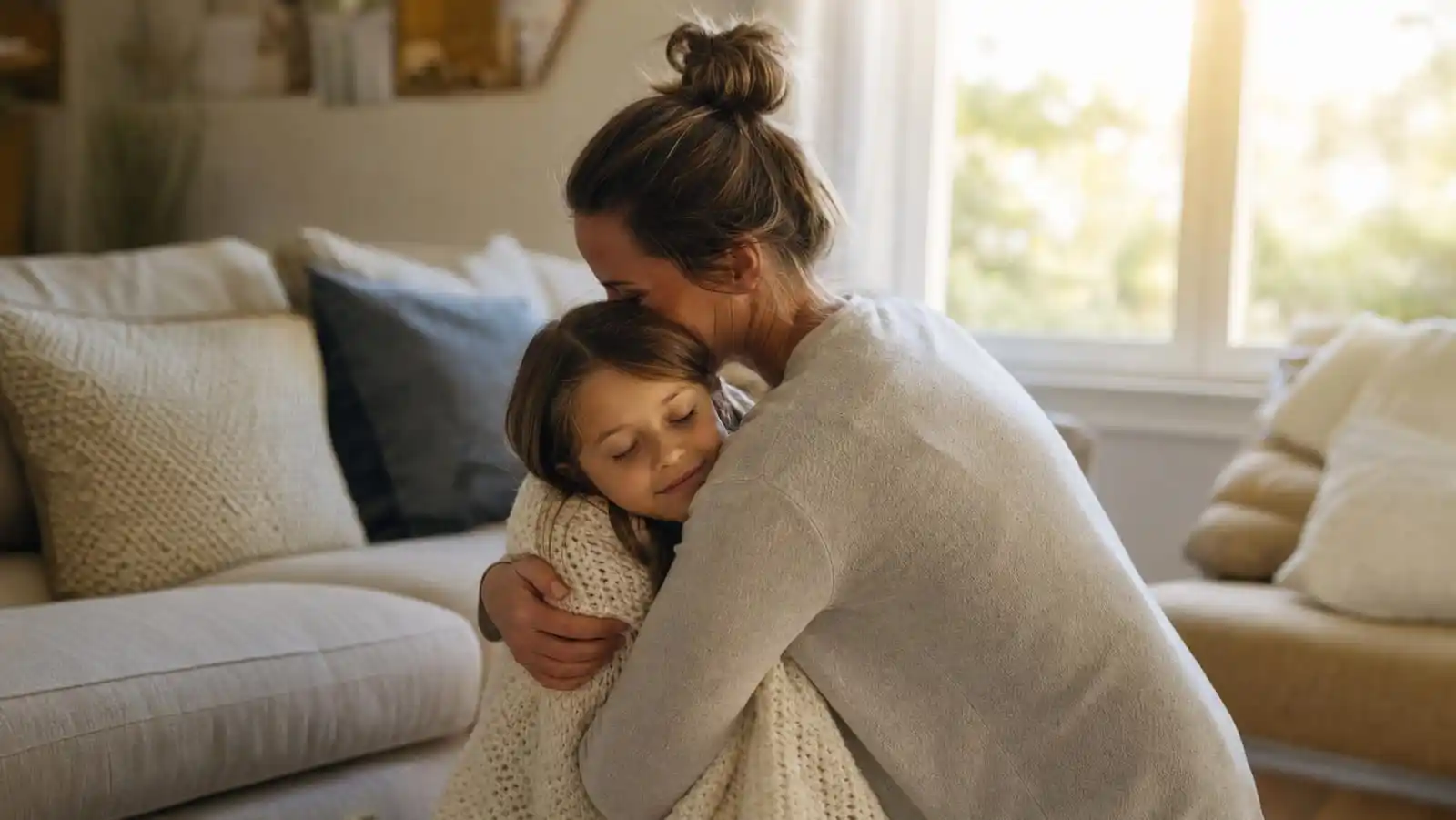
- Firm hugs (not light embraces)
- Weighted blankets
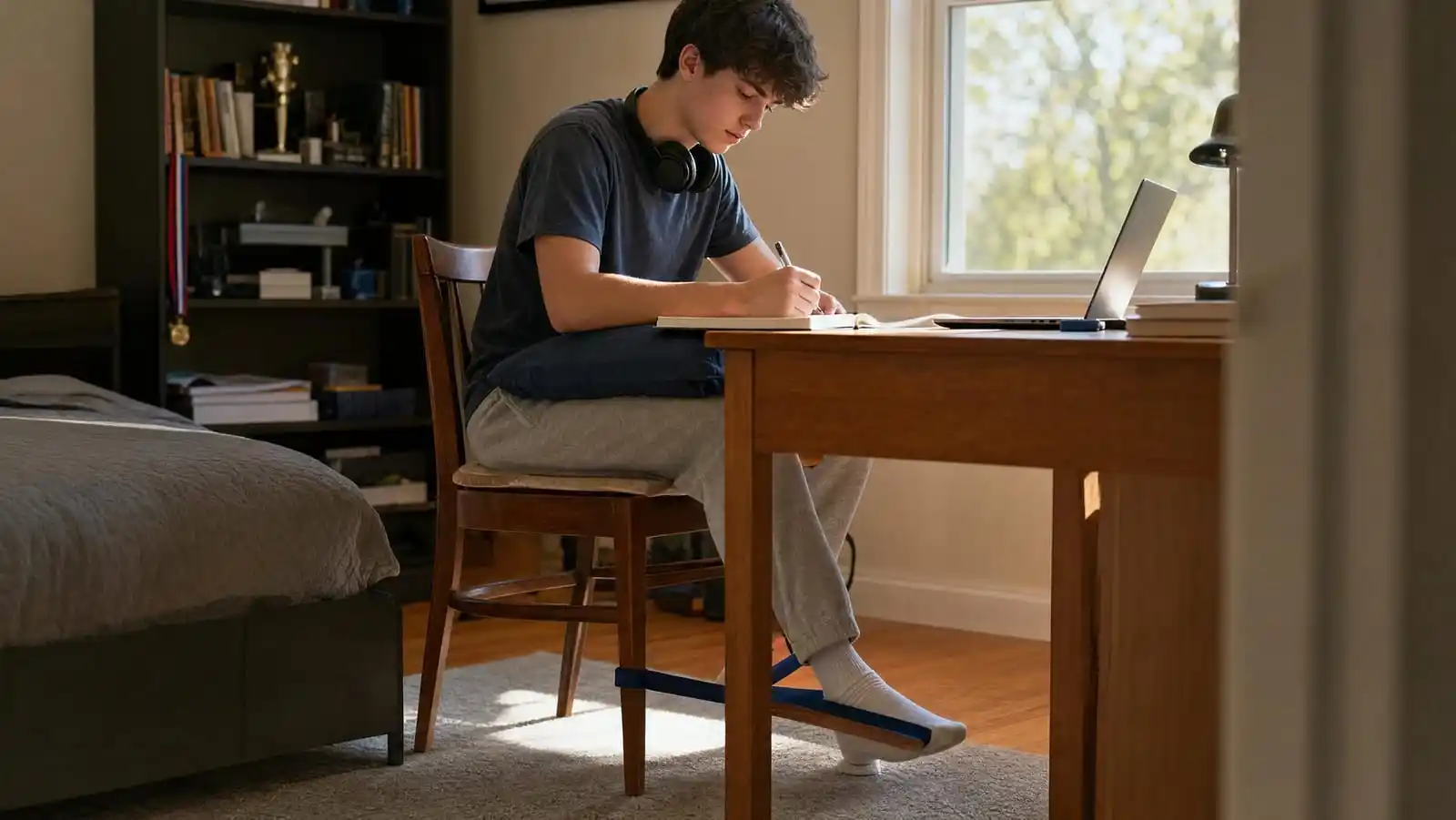
- Tight clothing or compression garments
- Squeezing putty or stress balls
- Being "squished" between pillows
- Massage with firm pressure
Why Deep Pressure Calms
Deep pressure activates the parasympathetic nervous system—the "rest and digest" response. Studies on weighted blankets and compression garments suggest they can reduce cortisol (stress hormone) and increase serotonin and dopamine, promoting calm.
The proprioceptive system, which processes input from muscles and joints, responds to deep pressure with organizing, calming signals. This is why children often seek firm squeezes or want to be wrapped tightly when upset.
What Is Light Touch?
Light touch is gentle, often unpredictable tactile contact that activates the skin's surface receptors. Unlike deep pressure, light touch can be alerting or even aversive.
Examples of Light Touch:
- Feather-light brushing
- Unexpected contact from others
- Tags on clothing
- Light tickling
- Gentle stroking
- Wind or air on skin
Why Light Touch Can Irritate
Light touch activates the nervous system's protective responses. Evolutionarily, light sensations on skin could indicate insects, injury, or threat—prompting the body to become alert and reactive.
For children with tactile defensiveness, light touch may trigger fight-or-flight responses. The same child who craves bear hugs may scream when lightly brushed or touched unexpectedly.
Deep Pressure vs. Light Touch Comparison
| Factor | Deep Pressure | Light Touch | |--------|--------------|-------------| | Intensity | Firm, consistent | Gentle, variable | | Nervous system effect | Calming (parasympathetic) | Alerting (sympathetic) | | Typical response | Relaxation, organization | Alert, defensive, or irritated | | System activated | Proprioceptive | Tactile protective | | Control | Usually self-directed | Often unexpected | | Examples | Weighted items, firm hugs | Light brushing, tags |
Which Does Your Child Need?
Signs Your Child Needs Deep Pressure
Seeking behaviors:
- Crashes into furniture or people
- Asks for tight hugs
- Prefers tight clothing
- Enjoys being squished or compressed
- Chews on items aggressively
- Wraps tightly in blankets
Beneficial responses:
- Calms with firm hugs (not light ones)
- Settles with weighted blanket
- Focuses better after physical activity
- Seeks out massage or pressure
Signs Your Child Is Sensitive to Light Touch
Avoidance behaviors:
- Removes tags from all clothing
- Rejects certain fabric textures
- Dislikes haircuts, nail trimming
- Avoids crowds (unpredictable contact)
- Doesn't like light hugs
Defensive responses:
- Overreacts to unexpected touch
- Refuses certain clothing
- Seems irritated by gentle contact
- Prefers to be the one touching (control)
Many children with autism, ADHD, and sensory processing disorder display both patterns: seeking deep pressure while avoiding light touch.
Deep Pressure Tools
Squeezing and Compression
Theraputty Resistance Set — Firm resistance requires effort, providing deep pressure through hands and arms. Multiple resistance levels allow progression.
NeeDoh Nice Cube — The slow-rising, ultra-squishy texture provides deep squeeze input. The act of compressing and watching it return engages proprioceptive input.
Weighted Items
Weighted blankets, lap pads, and stuffed animals provide passive deep pressure. Choose weight based on child's body weight (typically 10% of body weight for blankets). For detailed recommendations, see our guide to the best weighted blankets for children with autism and ADHD.
Compression Clothing
Compression shirts, shorts, and socks provide consistent deep pressure throughout the day without requiring active input.
Light Touch Management
For children sensitive to light touch, the goal isn't to avoid all touch—it's to provide input in tolerable ways that build tolerance over time.
Controlled Touch Tools
Tangle Jr. Smooth — The smooth surface provides predictable touch input that the child controls completely. No surprises, no variation.
Textured Worry Stones — Smooth, weighted stones provide gentle texture without unpredictability. The child initiates and controls all contact.
Deep Pressure Before Light Touch
Many OTs recommend "priming" with deep pressure before activities that involve light touch:
- Firm arm squeezes before haircuts
- Bear hugs before clothing changes
- Weighted lap pad before dental visits
Gradual Exposure
For tactile-defensive children, gradual exposure to light touch can build tolerance over time:
- Start with deep pressure (tolerated)
- Slowly introduce lighter pressure
- Always give control to the child
- Never force touch
See our guide on tactile toys for tactile defensiveness for specific strategies.
Common Scenarios
Scenario 1: Child Won't Wear Certain Clothes
What's happening: Light touch from tags, seams, or fabric textures activates defensive responses.
What helps:
- Remove all tags completely
- Choose seamless socks and underwear
- Prefer tight-fitting (deep pressure) over loose-fitting (light touch)
- Allow child to choose tolerable fabrics
- Provide firm input (compression) before dressing
Scenario 2: Child Crashes Into Everything
What's happening: Child seeks deep pressure and proprioceptive input.
What helps:
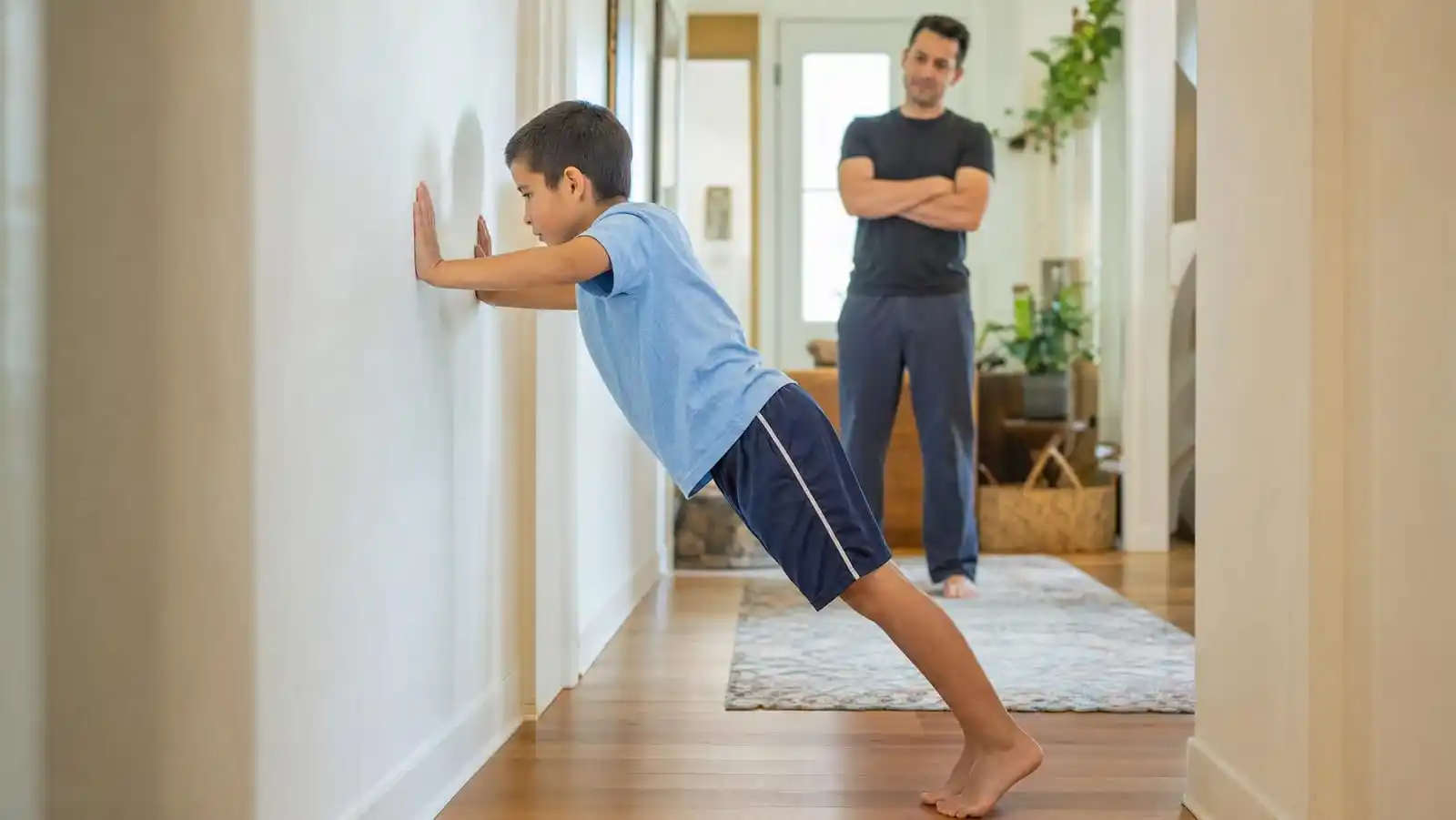
- Provide structured heavy work (pushing, pulling, carrying)
- Offer squeeze toys and therapy putty
- Use compression clothing during the day
- Consider weighted blanket for sleep
- Schedule regular "crash" activities (jumping, tumbling)
Scenario 3: Child Hates Haircuts
What's happening: Light touch from comb, scissors, and falling hair triggers defensiveness.
What helps:
- Deep pressure input before (firm scalp massage)
- Vibrating comb (consistent input, not light touch)
- Firm pressure when cutting (not light brushing)
- Compression garment during appointment
- Familiar fidget for hands
Scenario 4: Child Calms with Hugs but Not Stroking
What's happening: Deep pressure calms; light touch irritates. Common pattern.
What helps:
- Use firm hugs, not gentle embraces
- Provide squeezing rather than patting
- Offer deep pressure tools for independent calming
- Avoid light touch as comfort (it may increase distress)
Using This Knowledge for Tool Selection
For Calming and Regulation
Choose deep pressure tools:
- Weighted blankets and lap pads
- Squeeze balls and putty
- Compression garments
- Firm, resistive fidgets
See our guide on tactile toys for calm-down.
For Alerting and Focus
Careful use of lighter tactile input can increase alertness:
- Spiky textures (intense but controlled)
- Varied textures (provides stimulation)
- Light fidgets for hands
The key is child-controlled, predictable light touch—not unexpected contact.
For Building Tolerance
Combine approaches:
- Deep pressure first (calming)
- Gradual introduction of lighter textures
- Child-led exposure
- Never force
Working with an OT
Occupational therapists specializing in sensory processing can:
- Assess your child's specific tactile profile
- Determine the right balance of deep pressure and light touch
- Create a sensory diet tailored to your child
- Guide tolerance-building programs
- Recommend specific tools and interventions
If your child's tactile sensitivities significantly impact daily life, an OT evaluation is valuable.
Frequently Asked Questions
Can a child need both deep pressure and light touch?
Yes—children may seek deep pressure while avoiding light touch. This is actually the most common pattern. They crave firm input but are defensive to gentle, unpredictable touch.
Is light touch always bad?
No. Light touch is alerting, not inherently harmful. Some children tolerate and even enjoy light touch. The issue arises when the nervous system overreacts to light touch as threatening.
How do I know which my child needs?
Observe behavior: Does your child seek or avoid certain types of touch? Do they calm with firm hugs or become more agitated? An OT can provide formal assessment.
Can tolerance to light touch improve?
Yes. Gradual, child-led exposure with deep pressure preparation can build tolerance over time. Forcing light touch backfires and increases defensiveness.
Final Recommendations
For deep pressure seeking, Theraputty provides excellent resistive input that children can control, while NeeDoh Nice Cube offers satisfying squeeze pressure.
For controlled light touch exposure, Tangle Jr. Smooth and Worry Stones provide predictable, child-controlled tactile input.
For more tactile toy options, see our guides to fidget toys for focus and textured sensory toys. For a complete overview, return to our tactile sensory toys guide.
Understanding the difference between deep pressure and light touch is the foundation for choosing effective sensory tools. When in doubt, start with deep pressure—it's almost always calming.