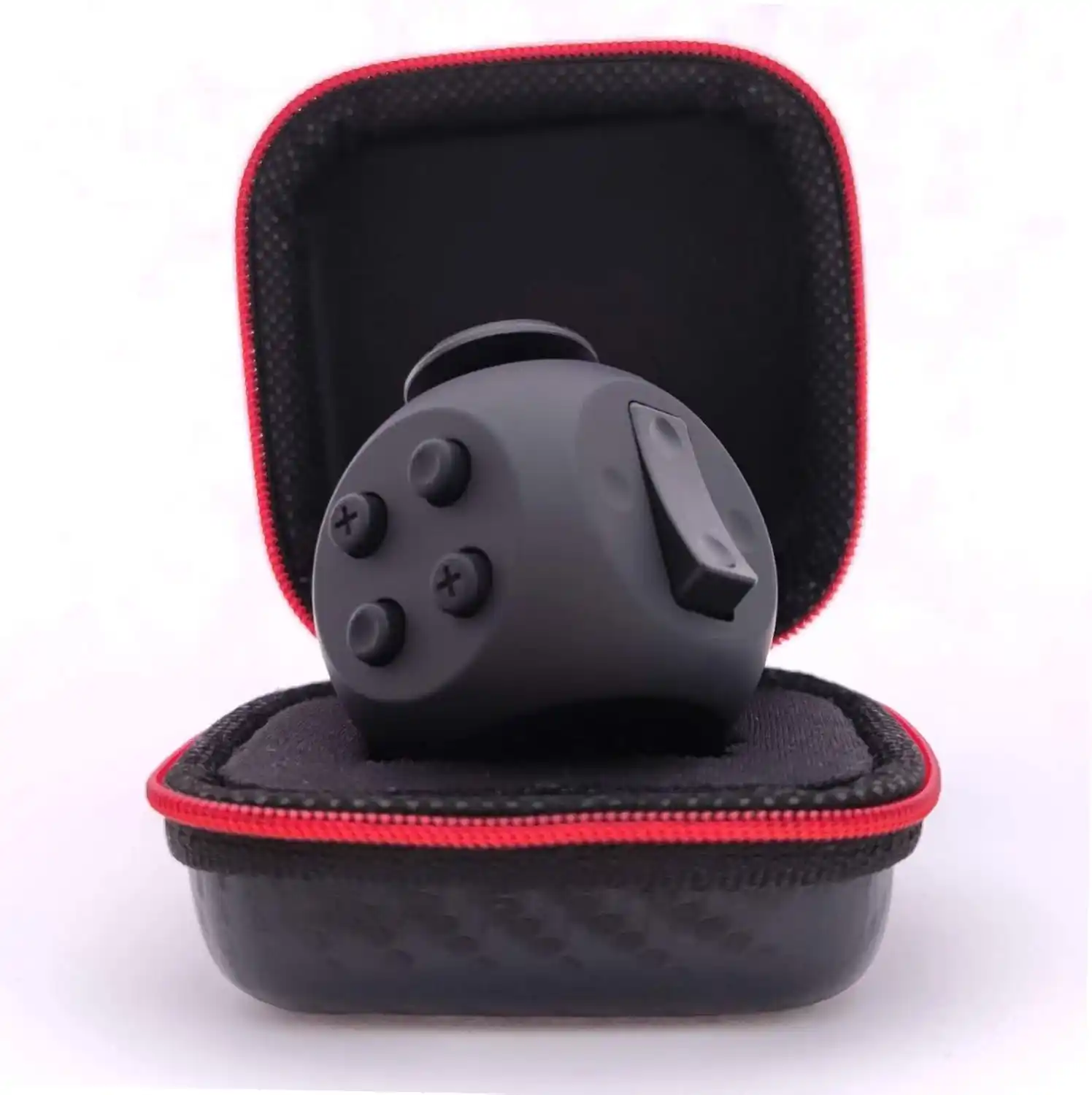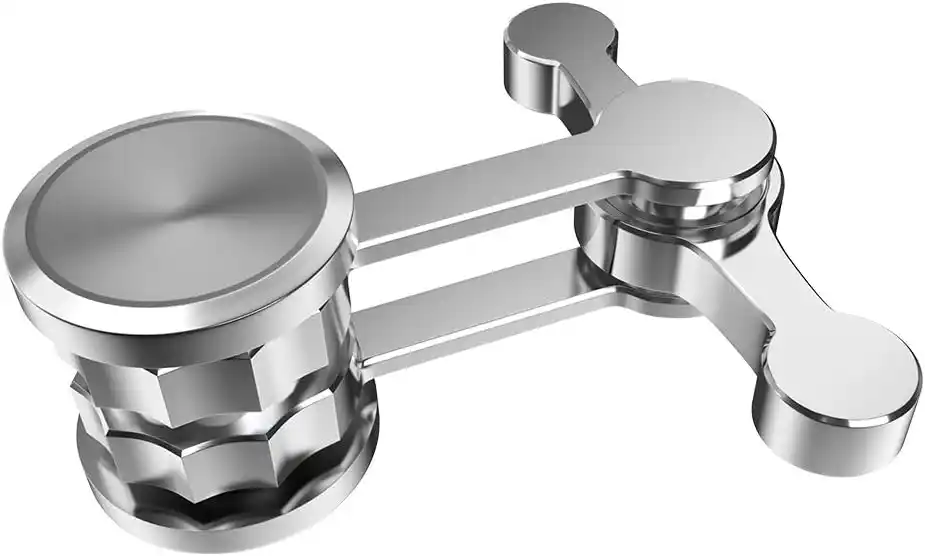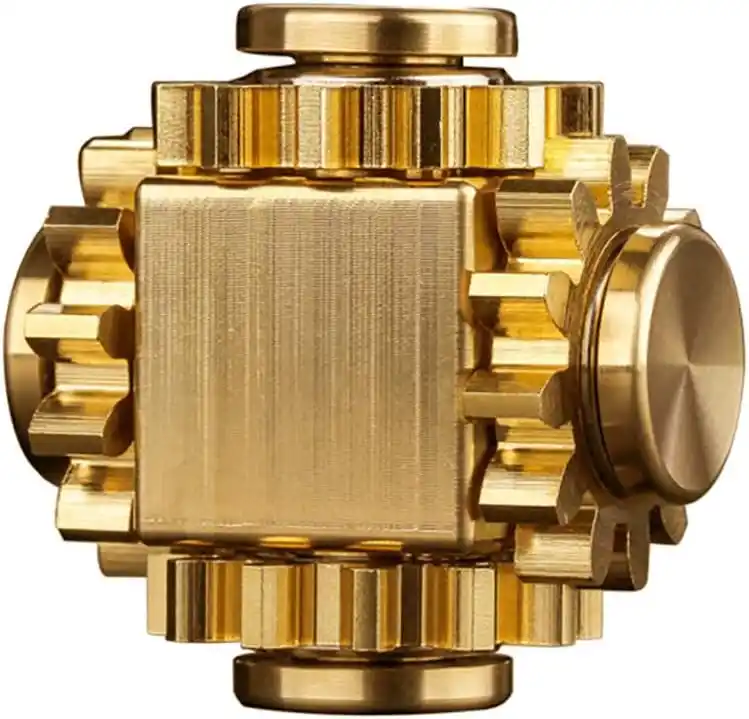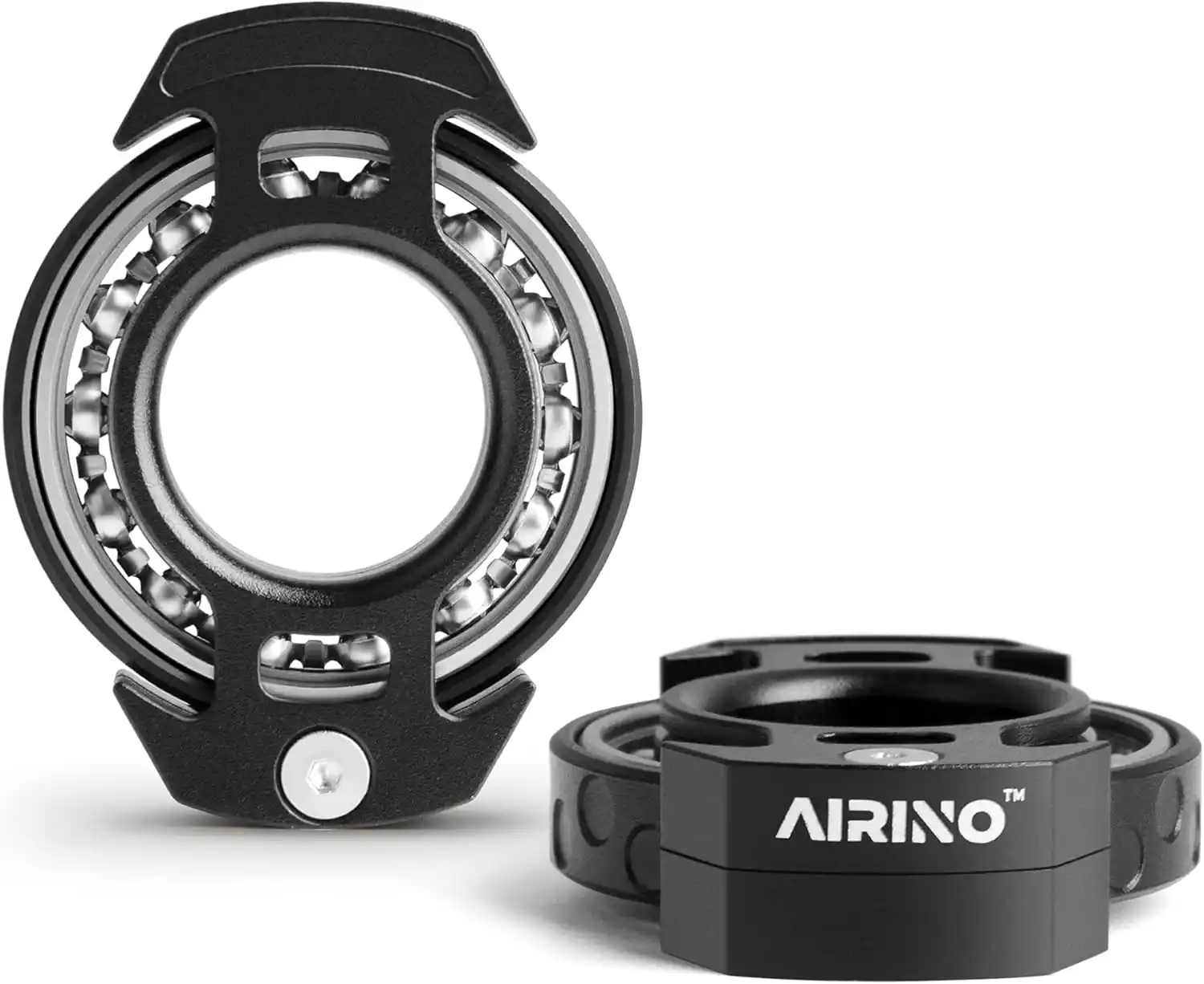
Let's be honest: having ADHD as an adult in a world designed for neurotypical brains is exhausting. Long meetings, tedious tasks, and the constant expectation to sit still and pay attention can feel impossible. But what if there were tools that could help your brain work the way it wants to?
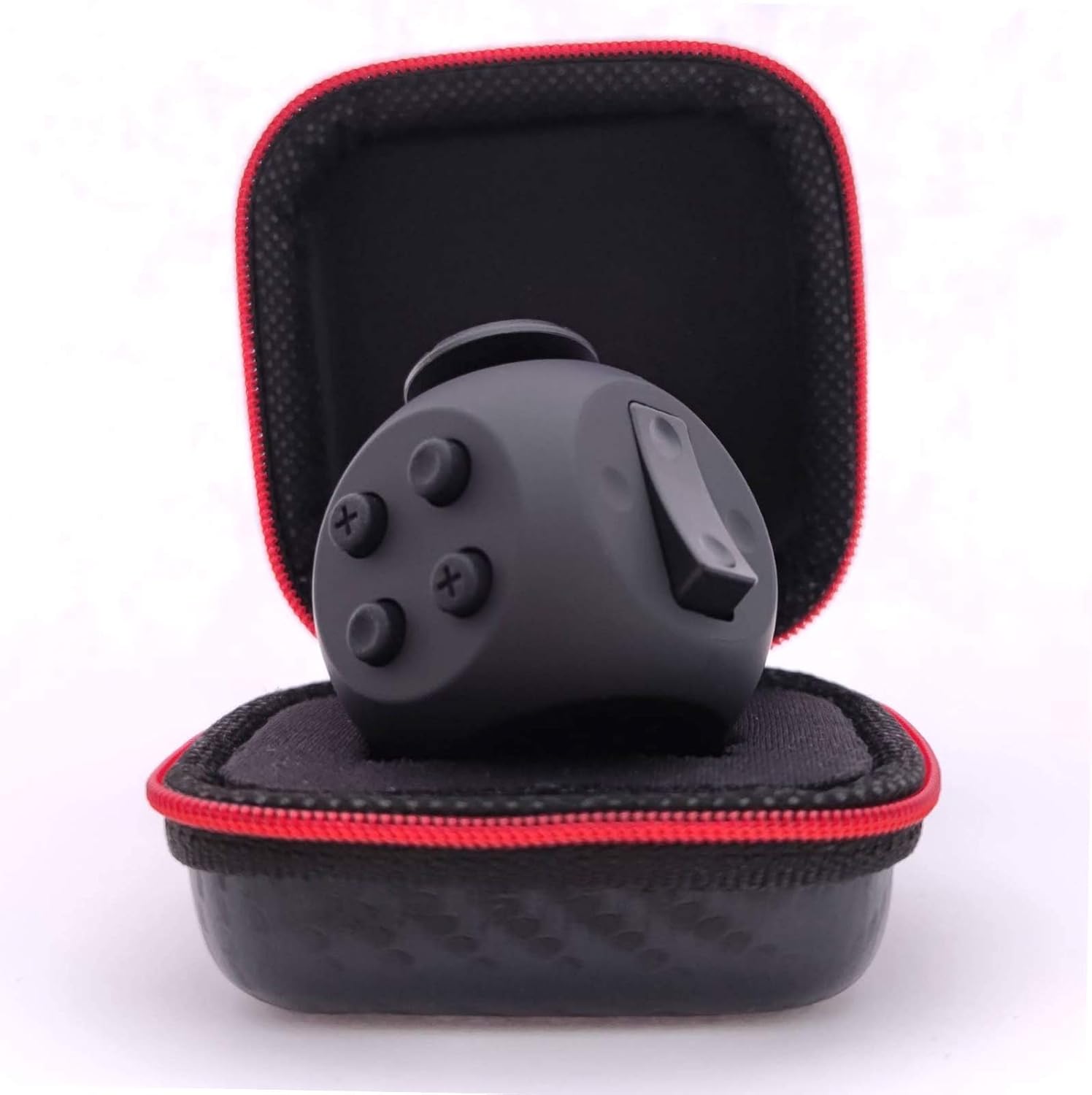
Fidget toys aren't just for kids. For adults with ADHD, the right sensory tools can be the difference between struggling through the day and actually thriving. If you're exploring sensory tools for the first time, our complete guide to tactile sensory toys covers the science behind why these tools work.
Why Fidget Toys Work for Adult ADHD
The ADHD brain is wired differently. It craves stimulation and struggles with under-arousal. When forced into situations that don't provide enough input (like sitting in a meeting), the brain starts seeking stimulation however it can. That's why you tap your foot, click your pen, or zone out entirely.
Fidget toys provide controlled stimulation that satisfies the brain's need for input without creating distraction. Here's how:
Regulate Arousal Levels
Fidgeting provides sensory input that keeps the brain at an optimal arousal level for attention. Without this input, the ADHD brain often oscillates between under-stimulation (boredom, zoning out) and over-stimulation (anxiety, overwhelm). Fidget toys help maintain the sweet spot.
Occupy the Movement System
Your brain's movement centers are going to be active whether you want them to or not. By giving them something productive to do, you free up cognitive resources for the task at hand. It's like giving a toddler a snack so you can have a phone conversation.
Provide Proprioceptive Input
The deep pressure and resistance of many fidget toys (especially metal ones) provide proprioceptive feedback that helps ground and organize the nervous system. This type of sensory input is often calming for people who feel scattered or overwhelmed. Therapy putty and sensory dough offer similar benefits for those who prefer moldable textures.
Create a Ritual
Having a consistent fidget tool becomes part of your focus routine. Your brain learns that when the fidget comes out, it's time to concentrate. This kind of environmental cue can be powerful for the ADHD brain.
What to Look for in Adult Fidget Toys
Not all fidgets are created equal, especially for adults. Here's what matters:
Discretion
Nobody wants to look like they're playing with toys in a board meeting. Choose fidgets that are quiet, compact, and professional-looking. Metal construction often reads as more adult than brightly colored plastic.
Quality
Cheap fidgets break quickly, make annoying sounds, and end up in the trash. Invest in quality construction that will last and actually function well. Good bearings, durable materials, and solid construction matter.
Appropriate Stimulation
Different people crave different types of input. Some want clicking, others want smooth gliding, still others want weight and resistance. Know your preferences and choose accordingly.
Portability
A fidget that's not with you can't help you. Look for options that fit in pockets, clip to keychains, or wear as jewelry. The best fidget is one you'll actually have when you need it.
Using Fidget Toys Effectively
Having the right tool is only part of the equation:
Match to the Situation
Some fidgets are better for meetings (quiet, discreet), others for solo work (can be more complex or engaging). Build a small collection for different contexts.
Don't Force It
If a particular fidget isn't working, try something different. Your needs might change day to day or task to task. Pay attention to what actually helps.
Explain If Needed
If colleagues question your fidgeting, a brief explanation often helps. "This actually helps me focus better" is usually enough. Most people are more understanding than expected.
Combine with Other Strategies
Fidget toys work best as part of a broader ADHD management approach. They complement medication, therapy, exercise, and other strategies rather than replacing them. For more ADHD-specific strategies, see our article on vestibular therapy for ADHD.
Beyond the Stigma
There's often shame associated with needing tools to function in a neurotypical world. But using a fidget toy is no different from wearing glasses or using a planner. It's an accommodation that helps your brain work better.
The executives who doodle during meetings, the programmers who bounce in their chairs, the writers who tap their feet, they're all fidgeting. The difference with a fidget toy is that you're being intentional about meeting your brain's needs rather than fighting against them.
Your ADHD brain isn't broken. It just works differently. And sometimes, all it needs is the right tool to show what it's capable of.